
Blog
7 Forgotten PS Vita Games That Prove Why Collectors Still Hunt This Handheld in 2026


The PlayStation Vita died too young, but its library is still breathing. While everyone was busy mourning the console’s commercial failure, a whole collection of incredible games got buried in the noise. Look, I get it—when you think Vita, you think Persona 4 Golden and Uncharted. But there’s so much more here, and some of the best experiences are the ones nobody talks about.
Hey, it’s Marco, and I’ve been testing Vita units for years here at SumoShopStore. We see these consoles come through constantly, and every time I fire one up to run diagnostics, I’m reminded of just how deep this library goes. These seven games represent everything the Vita did right—niche genres that found the perfect home on a handheld, unique experiences you literally can’t get anywhere else, and gameplay that still holds up a decade later.
If you’re wondering what forgotten PS Vita games are still worth tracking down in 2026, these are the hidden gems that prove why collectors are still hunting for Sony’s underappreciated handheld.
Forgotten PS Vita Games at a Glance
- Toukiden Kiwami — Monster Hunter alternative with twice the original’s content
- Grand Kingdom — Unique RPG/board game hybrid with strategic combat
- Dengeki Bunko Fighting Climax — Crossover anime fighter with gorgeous sprites
- Shiren the Wanderer: The Tower of Fortune — Accessible entry into hardcore roguelikes
- Operation Babel: New Tokyo Legacy — Dungeon crawler with 45-day time limit structure
- Demon Gaze II — Roguelike dungeon crawler with party customization
- Super Stardust Delta — Twin-stick shooting perfected for portable play
Why These Games Got Lost in the Shuffle
Here’s the thing about the Vita—it launched into a market that was already skeptical about dedicated handhelds. The 3DS was dominating with Nintendo’s first-party heavy hitters, mobile gaming was exploding, and Sony was trying to position the Vita as console gaming on the go. All that noise meant incredible games like these got completely overshadowed.
Most of these titles represent exactly what the Vita did best: providing a home for niche Japanese genres that couldn’t survive on home consoles anymore. Monster hunting RPGs, visual novel hybrids, hardcore dungeon crawlers—stuff that needed the pick-up-and-play nature of portable gaming but also demanded the Vita’s console-quality controls and screen.
The irony? In 2026, these “failed” experiments look like pure genius. The Vita was ahead of its time, and these games prove it.
Toukiden Kiwami — Monster Hunter’s Supernatural Rival
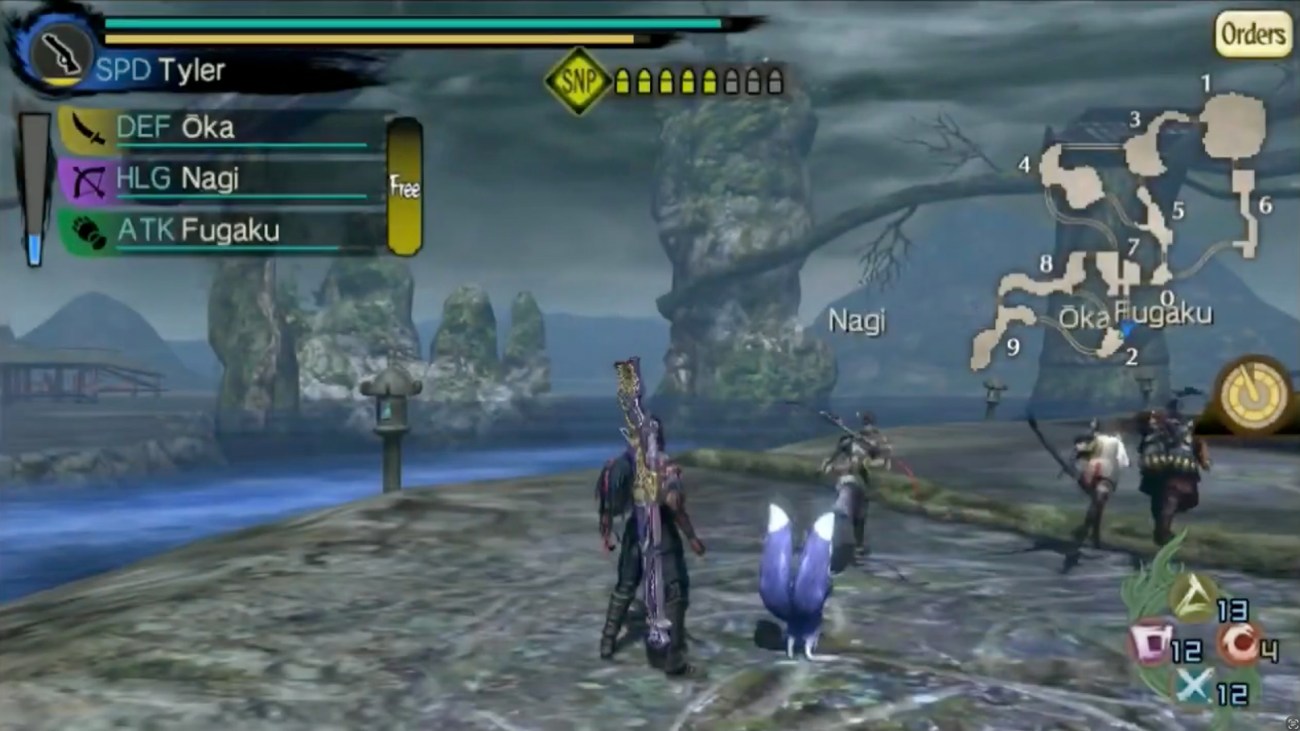
While everyone was waiting for Monster Hunter to come to Vita, Toukiden Kiwami was already there doing everything right. This isn’t just some knock-off either—it’s an expanded version that doubles the content of the original with new missions, weapons, and characters, all wrapped around a supernatural twist on the monster hunting formula.
The setup is classic: you’re a Slayer in a village under siege by massive demons called Oni. What makes Toukiden special is how it handles the big encounters. These aren’t just damage sponges—each Oni is built from multiple body parts you can target and sever individually. Cut off a claw, and suddenly their swipe attack changes. Destroy a horn, and their charge becomes less devastating. It’s strategic dismemberment that actually affects gameplay.
But here’s where the risk-reward kicks in: each Oni has an internal rage meter. Deal enough damage to specific parts and they enter a fury state—more aggressive, new attack patterns, higher damage output. You can play it safe and chip away slowly, or go for the valuable parts knowing you might trigger something you can’t handle. I’ve seen plenty of successful hunts turn into disasters because someone got greedy for rare materials.
The party-based combat feels more accessible than Monster Hunter’s often unforgiving solo experience, but don’t mistake that for easy. Late-game Oni will absolutely wreck unprepared teams, and the weapon upgrade system demands you hunt efficiently to keep up with the difficulty curve.
Grand Kingdom — The Strategy RPG That Broke All the Rules

Grand Kingdom is probably the most unique game in the entire Vita library, and that’s saying something. It takes RPG mechanics, board game movement, and 2D tactical combat, then somehow makes it all work together in a way that shouldn’t be possible but absolutely is.
You’re running a mercenary company in a war-torn kingdom, taking contracts from different factions and building up your reputation through strategic warfare. The genius is in how it structures everything like a board game—you move your units across nodes on a map, each turn advancing both your forces and the enemy’s. Cross paths, and you’re thrown into combat.
The battle system is where Grand Kingdom gets really special. Everything plays out on a 2D plane with three rows—top, middle, bottom—and your positioning matters enormously. Archers in the back row can rain death from above, but they’re vulnerable to magic. Tanks in the front can protect your casters, but they can’t reach enemies who position themselves cleverly. It’s turn-based strategy that feels almost like a fighting game in how much positioning and timing matter.
Formation selection before battle becomes this crucial meta-game. Do you go heavy on magic users knowing the enemy has weak armor? Stack physical damage dealers for a quick rush? Balance your squad for a long engagement? Get it wrong and even weak opponents can demolish you. Get it right and you’ll steamroll forces that should outclass you.
The mercenary theme runs deep too—you’re not fighting for justice or saving the world. You’re getting paid, building prestige, and trying to survive in a conflict where allegiances shift with the gold. It’s refreshingly amoral storytelling that matches the tactical gameplay perfectly.
Dengeki Bunko Fighting Climax — When Anime Crossovers Actually Work
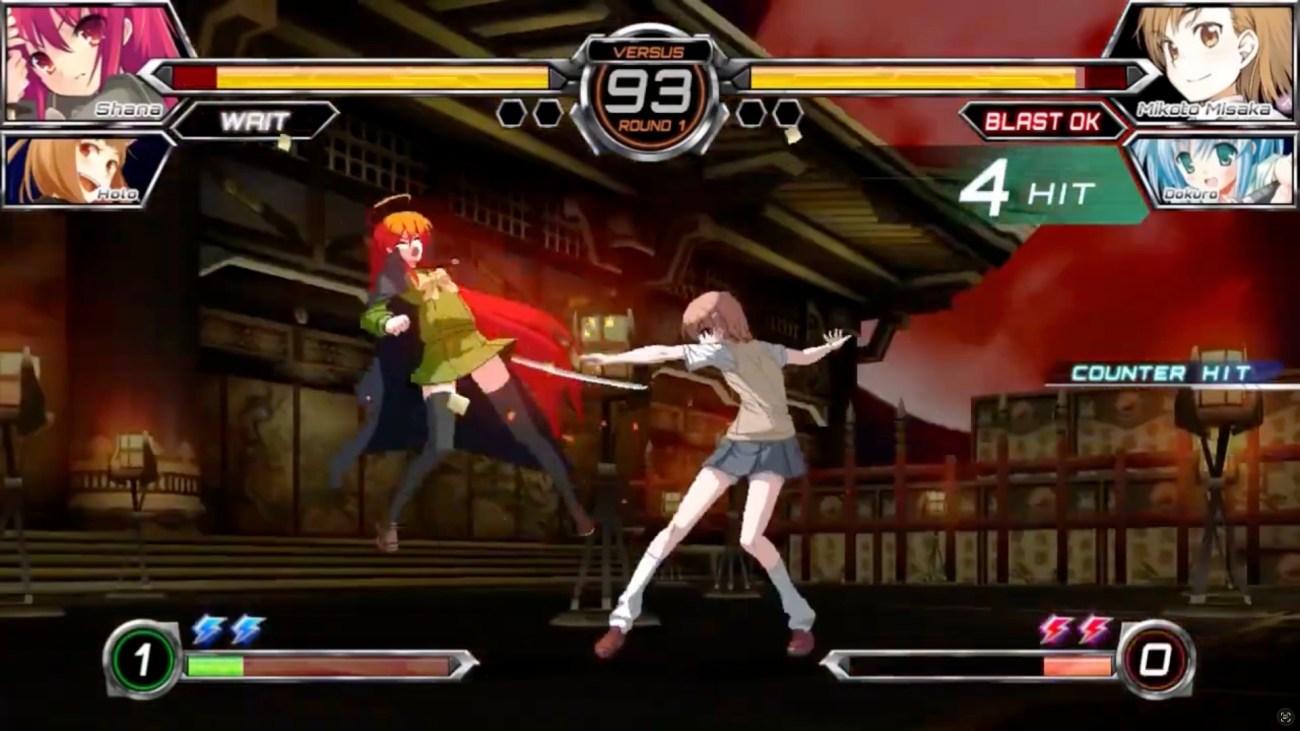
Most crossover fighters are cash grabs that throw popular characters together without much thought. Dengeki Bunko Fighting Climax is different—it’s a legitimate fighting game that happens to feature characters from anime properties and SEGA’s back catalog, and the sprite work is absolutely gorgeous.
We’re talking 14 characters pulled from series like Sword Art Online, A Certain Magical Index, and Virtua Fighter, each animated with the kind of detail that reminds you why 2D sprites can look better than polygons. The character animations have personality—Kirito moves like the dual-wielding swordsman he is, while Selvaria from Valkyria Chronicles brings her massive lance and magical abilities to bear in ways that feel true to her source material.
The fighting system keeps things accessible without dumbing anything down. Three attack buttons for light, medium, and heavy strikes, plus an assist button for calling in support characters. Every character shares the same special move inputs, so instead of memorizing different quarter-circles and dragon punches for each fighter, you can focus on learning how to link combos and read your opponent.
The Climax Arts system gives everyone access to super moves that fill the screen with spectacular attacks, and the energy management becomes this constant balancing act between using assists, building meter, and finding openings to land your big damage.
Look, it’s not as deep as BlazBlue or as technical as Street Fighter, but it doesn’t need to be. Dengeki Bunko delivers exactly what it promises: gorgeous 2D fighting with characters you actually care about, accessible enough for anime fans who don’t usually touch fighters but solid enough that genre veterans won’t feel insulted.
Shiren the Wanderer: The Tower of Fortune — Roguelike Accessibility Done Right
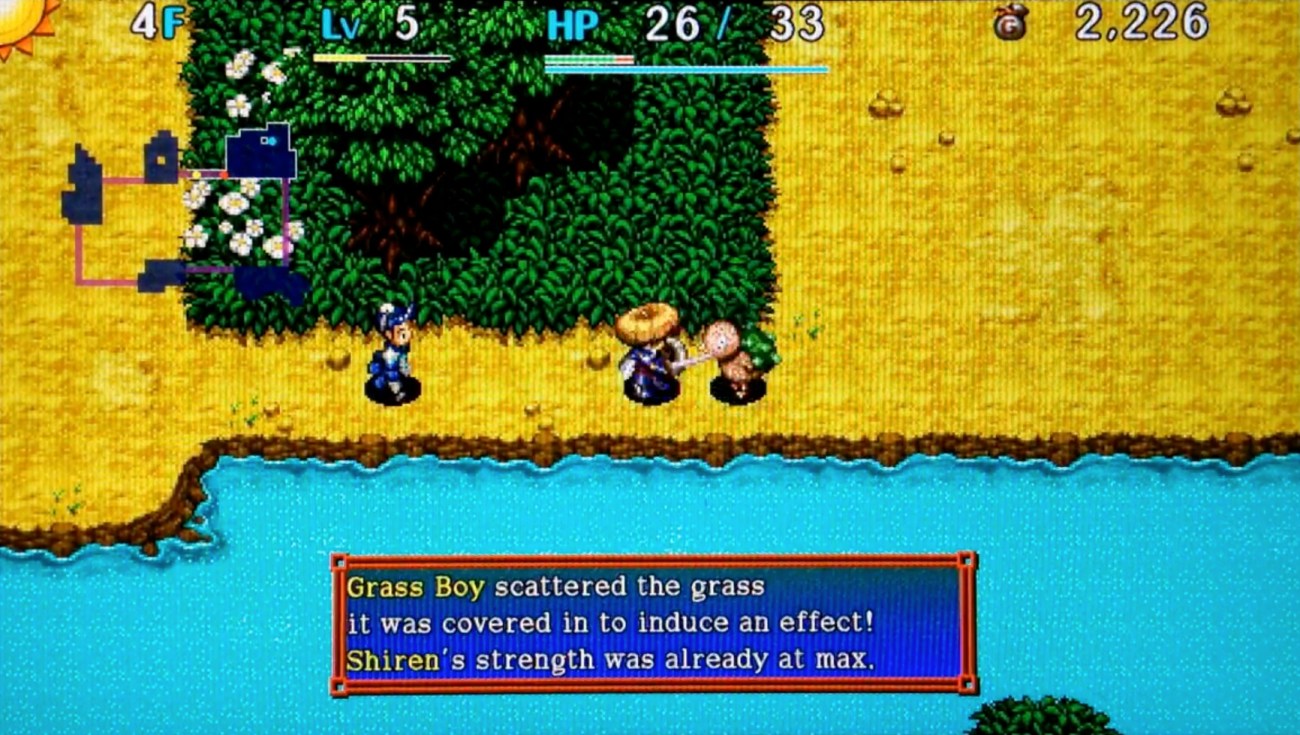
Roguelikes have a reputation for being punishing, obtuse experiences that expect you to learn through repeated failure. Shiren the Wanderer takes that formula and makes it approachable without losing the core challenge that makes the genre compelling.
You’re playing as a wandering adventurer who teams up with a friend trying to save a terminally ill girl. The setup is classic JRPG melodrama, but the execution is pure roguelike: every time you enter a dungeon, the layout changes. Death means losing your items and starting over. Progress comes through learning the systems, not grinding levels.
What makes Shiren special is how it teaches you to play without holding your hand. The grid-based movement and turn-based combat give you time to think through each decision. Enemy patterns are consistent enough that you can learn to predict and counter them, but environmental hazards and item combinations create constant surprises.
The risk management becomes addictive. Do you use that powerful scroll now to clear a tough room, or save it for the boss you know is coming? Is it worth identifying that mystery weapon when identification scrolls are rare? Should you take the safer route around this monster house or risk cutting through for better loot?
Each run teaches you something new about the systems, and unlike some roguelikes where failure feels random, Shiren deaths usually feel earned. You took a risk, miscalculated, got greedy, or simply weren’t prepared. That makes the eventual victories incredibly satisfying.
Operation Babel: New Tokyo Legacy — Dungeon Crawling Under Pressure

Operation Babel takes the classic dungeon crawler formula and adds something most games in the genre ignore: urgency. You’ve got 45 in-game days to navigate increasingly dangerous labyrinths while managing your team’s fatigue, resources, and relationships. It’s Etrian Odyssey meets dating sim meets survival management.
The time limit isn’t just artificial pressure—it fundamentally changes how you approach dungeon exploration. Every day you spend mapping corridors is a day you’re not building bonds with your teammates or upgrading equipment. Push too hard into dangerous areas and you’ll burn through healing items and risk permanent injuries. Play it too safe and you’ll run out of time before reaching your objectives.
Party management becomes this constant balancing act between eight different character classes, each with their own specializations and skill trees. Your heavy armor tank might be perfect for front-line combat, but they’re useless for disarming the magical traps deeper in the dungeons. The glass cannon mage can delete entire enemy groups but needs constant protection and resource management.
The social elements aren’t just fluff either—building relationships with your team members unlocks new abilities and affects their performance in battle. Ignore someone’s personal quest and they might not have your back when things get desperate. Invest time in team bonding and you’ll unlock combination attacks that can turn impossible fights winnable.
It’s a demanding game that expects you to engage with every system, but for players who want their dungeon crawlers to matter beyond just mapping corridors and fighting monsters, Operation Babel delivers something special.
Demon Gaze II — Roguelike Dungeon Crawling Perfected

While the first Demon Gaze was solid, the sequel refines everything that worked and fixes most of what didn’t. You’re still playing as a Demon Gazer—someone who can capture and control the demons that infest procedurally generated dungeons—but the sequel balances the systems better and provides more meaningful progression.
The core loop is addictive: enter dungeons, fight through rooms of enemies, locate and defeat demons to add them to your collection, then use those demons to tackle even harder challenges. Each dungeon floor is randomly generated, so you can’t just memorize layouts and optimal routes. Success depends on understanding enemy patterns, managing resources, and building a party that can handle whatever the random generation throws at you.
Party customization goes deep with eight character classes that feel genuinely different to play. Your healer isn’t just “person who casts cure”—they’ve got their own skill trees, equipment preferences, and tactical roles that change depending on your party composition. A paladin-heavy team plays completely differently from one built around agile assassins and magic users.
The demon capture system adds this extra layer where major enemies become potential allies. Beat a demon in its lair and you can summon it during future battles, but each demon has personality quirks and preferences that affect how willing they are to help. Some demons work better with certain party setups or against specific enemy types.
What I appreciate most is how Demon Gaze II respects your time. Unlike some dungeon crawlers where progress feels glacial, here you’re constantly unlocking new areas, gaining new abilities, or adding new demons to your collection. Even failed dungeon runs usually result in some kind of meaningful progression.
Super Stardust Delta — Twin-Stick Shooting Evolved for Portability
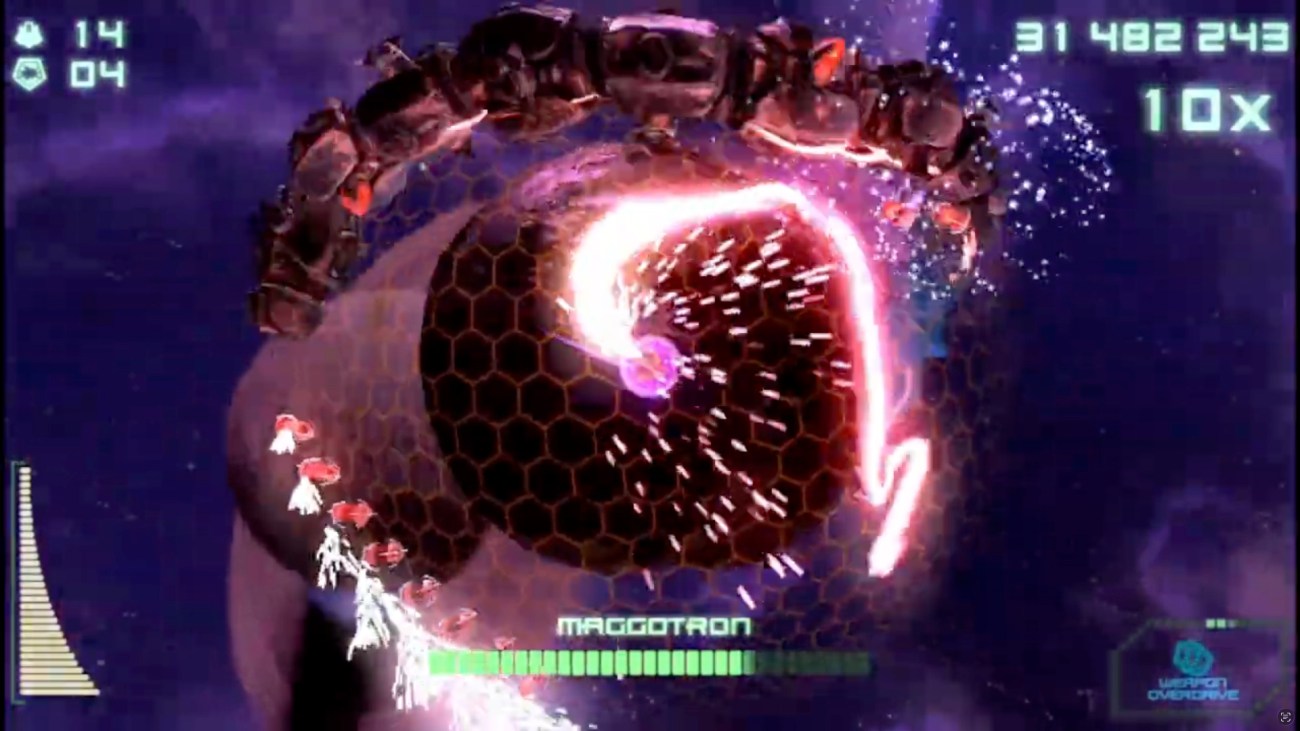
Super Stardust Delta proves that some game genres are just meant for handhelds. The PS3 original was excellent, but something about having twin-stick shooting in your hands, being able to jump into quick sessions anywhere, makes the formula click in a new way.
The basic concept is pure arcade: pilot a ship around spherical planets, destroying waves of asteroids and enemies while collecting power-ups and chasing high scores. What makes Delta special is how it adapts this for portable play without losing any of the intensity that made the console version addictive.
The weapon system gives you three distinct tools—rock crusher for asteroids, gold melter for organic enemies, ice splitter for crystals—and success comes from quickly switching between them as threats appear. Enemy waves mix all three types, so you’re constantly evaluating targets and switching weapons while maintaining situational awareness and avoiding collisions.
Power-ups transform your ship temporarily into screen-clearing death machines, but they’re rare enough that timing their use becomes crucial. Do you burn your boost to clear a particularly dangerous wave, or save it for the boss you know is coming? The risk-reward calculations happen in real-time while explosions fill the screen and enemies converge from all directions.
The Vita’s controls feel perfect for this kind of gameplay. The dual analog sticks give you precise movement and aiming, while the responsive buttons handle weapon switching without the awkward shoulder button gymnastics some twin-stick shooters require. It’s immediately intuitive in a way that makes the game’s considerable challenge feel fair rather than unfair.
Why These Games Still Matter in 2026
Here’s what strikes me about this collection: every single one of these games represents something the Vita did better than any other platform. Monster hunting RPGs like Toukiden Kiwami needed console-quality controls but benefited from portable convenience. Strategic experiences like Grand Kingdom required the kind of deep engagement that works better in focused handheld sessions than living room gaming.
The Vita’s commercial failure meant developers had to be creative with smaller budgets and niche audiences. That constraint led to innovation—games that mixed genres in ways bigger productions couldn’t afford to risk, experiences tailored specifically for handheld gaming rather than just console ports with smaller screens.
These titles also showcase why physical media matters for gaming preservation. Most of these games have seen limited digital availability, and with the Vita store closure, tracking down physical copies becomes the only reliable way to experience them. That’s created a collector market where knowledge about regional releases, limited editions, and compatibility becomes crucial.
The technical achievement shouldn’t be overlooked either. Games like Dengeki Bunko Fighting Climax prove that 2D sprite work can look absolutely stunning on the Vita’s screen, while experiences like Operation Babel show how creative developers used the hardware’s capabilities to deliver console-depth gameplay in portable form.
The Collector’s Perspective on Vita’s Hidden Library
I’ve tested probably hundreds of Vita units over the years, and one thing that consistently surprises people is how deep the library runs beyond the obvious classics. These seven games represent different facets of what made the Vita special: Japanese developers experimenting with genres that couldn’t survive elsewhere, gorgeous 2D artwork that showcased the screen technology, and gameplay concepts that worked better on handhelds than anywhere else.
The region considerations matter more for Vita than almost any other platform. Some of these games saw limited Western releases, others got better versions in Japan, and a few remained import-only with fan translation patches. Understanding what’s available where becomes crucial for collectors who want the definitive experience.
Physical versus digital availability has become a real concern. While some of these titles made it to other platforms eventually, the Vita versions often included unique features, control schemes, or content that didn’t translate to other systems. With digital storefronts becoming unreliable for retro content, having physical copies ensures long-term access to these experiences.
Where to Pick Up a PlayStation Vita in 2026
If this has you thinking about diving into the Vita’s library, here’s the thing—finding a reliable unit has gotten trickier over the years. eBay’s full of untested systems, prices have gotten wild for pristine examples, and you never know if you’re getting someone’s broken project that “worked fine when I put it away.”
Here at SumoShopStore, every Vita goes through comprehensive testing before it ships. We’re talking every button, every screen pixel, memory card slots, charging ports—the full diagnostic suite. I’ve personally tested dozens of these units, and I know exactly what to look for in terms of common failures and quality indicators.
What we offer:
- Fully tested OLED and Slim models in multiple colors
- Genuine accessories and memory cards
- Free worldwide shipping with proper protection
- Customer support from people who actually know these systems
Check out:
- PlayStation Vita OLED – The original with that gorgeous OLED screen
- PlayStation Vita Slim – Lighter design with improved battery life
Browse the full collection at SumoShopStore.com to see what’s available.
Frequently Asked Questions
Are these PS Vita games still worth playing in 2026?
Absolutely. These games represent unique experiences that haven’t been replicated elsewhere, and many showcase gameplay concepts that feel more relevant now than when they originally released. The Vita’s library aged better than most people expected.
Which PS Vita model is better for playing these games?
Both the OLED and Slim models handle these games perfectly. The OLED has better contrast for games like Dengeki Bunko Fighting Climax with detailed sprite work, while the Slim offers better battery life for longer dungeon crawling sessions in games like Demon Gaze II.
Can I still buy these games digitally?
Digital availability varies by region and title. Some games remain available on PSN, others have been delisted, and a few were never available digitally. Physical copies provide the most reliable access, especially for imports that may have region restrictions.
Are any of these games available on other platforms?
A few have seen ports to PS4, PC, or Switch, but the Vita versions often include unique features or control schemes. Toukiden Kiwami is available on PS4 and PC, while Super Stardust has appeared on multiple Sony platforms. The others remain largely Vita-exclusive experiences.
What’s the current collector value for these games?
Prices vary significantly based on condition, region, and rarity. Complete-in-box copies of games like Grand Kingdom and Operation Babel command premium prices, while more common titles like Super Stardust Delta remain affordable. Import editions often cost more due to limited availability.
Do I need to understand anime to enjoy Dengeki Bunko Fighting Climax?
Not at all. While familiarity with the source material adds appreciation for character animations and special moves, the fighting system stands on its own merits. The game includes enough context to understand each character’s basic abilities and personality.
How difficult are these games for newcomers to their genres?
Most include good tutorial systems and difficulty curves designed for newcomers. Shiren the Wanderer and Demon Gaze II are particularly good entry points for roguelikes and dungeon crawlers respectively. Grand Kingdom’s unique genre blend means everyone’s learning together.
Are physical copies necessary, or can I play these digitally?
While some remain available digitally, physical copies ensure long-term access regardless of store closures or regional restrictions. For serious collectors or players wanting the complete experience, physical media is recommended, especially for imports or limited releases.
So if you’re looking for forgotten PS Vita games that prove why this handheld still matters in 2026, these seven represent the console at its absolute best—creative, ambitious, and completely unique. They’re the kind of experiences that remind you why dedicated gaming hardware still has a place in a world of smartphones and tablets.
What are your picks for underrated Vita games? Let us know in the comments.


