
Blog
10 Best PSP RPGs Still Worth Playing in 2026 — The Ultimate Collector’s Guide

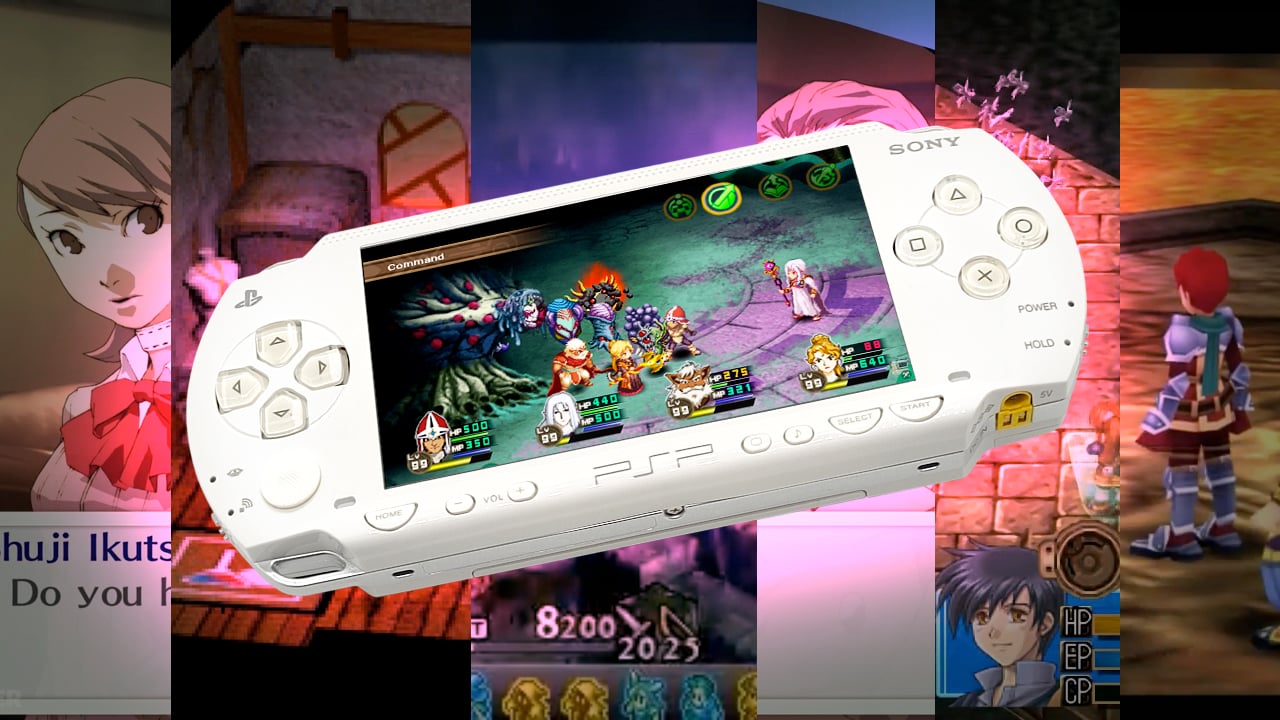
The PlayStation Portable had one of the most criminally underrated RPG libraries in gaming history, and somehow most of these masterpieces still get completely overlooked. Look, I get it—when you think PSP, you think Monster Hunter or maybe God of War. But the RPG catalog? That’s where this handheld truly became legendary.
Hey, it’s Marco, and after testing hundreds of PSPs over the years and diving deep into this library, I can tell you these are the 10 essential RPGs that prove Sony’s “failed” handheld was actually the ultimate RPG machine. If you’re wondering what the best PSP RPGs are in 2026, this is your definitive guide to the titles that still hold up and why they’re worth hunting down.
Best PSP RPGs at a Glance
- Persona 3 Portable — The definitive portable JRPG experience with unmatched depth
- Final Fantasy Tactics: War of Lions — Strategy RPG perfection with updated translation
- Kingdom Hearts: Birth by Sleep — Console-quality action RPG in your pocket
- Crisis Core: Final Fantasy VII — The FF7 prequel that works without prior knowledge
- Tactics Ogre: Let Us Cling Together — Strategic masterpiece with multiplayer modes
- The Legend of Heroes: Trails in the Sky — Hidden gem with incredible world-building
- Star Ocean: Second Evolution — Enhanced remake with 50+ hours of content
- Ys Seven — Accessible action RPG that doesn’t require series knowledge
- Lunar: Silver Star Harmony — Classic remake that retains its charm
- Dissidia Final Fantasy — Unique fighting-RPG hybrid exclusive to PSP
The PSP’s Secret RPG Legacy — Why These Games Matter in 2026
Here’s something most people don’t know about the PSP’s RPG library: it wasn’t just a collection of ports and remakes. Sony’s handheld became home to some of the most ambitious portable RPGs ever created, mixing enhanced versions of PlayStation classics with original adventures that pushed the hardware to its limits.
The timing was perfect. Japanese developers were still heavily invested in turn-based and strategic RPGs, but the industry was starting to shift toward action-oriented experiences. The PSP caught this transition perfectly, offering everything from traditional JRPGs to real-time action adventures, all with production values that matched their console counterparts.
What makes these games special in 2026? Most of them have never been properly remastered or ported to modern systems. You want to experience Tactics Ogre’s multiplayer modes? You need a PSP. Looking for the definitive version of Persona 3 with the female protagonist option? PSP exclusive. These aren’t just historical curiosities—they’re legitimate gaming experiences that hold up against anything released today.
Persona 3 Portable — The Definition of Must-Have Portable Gaming
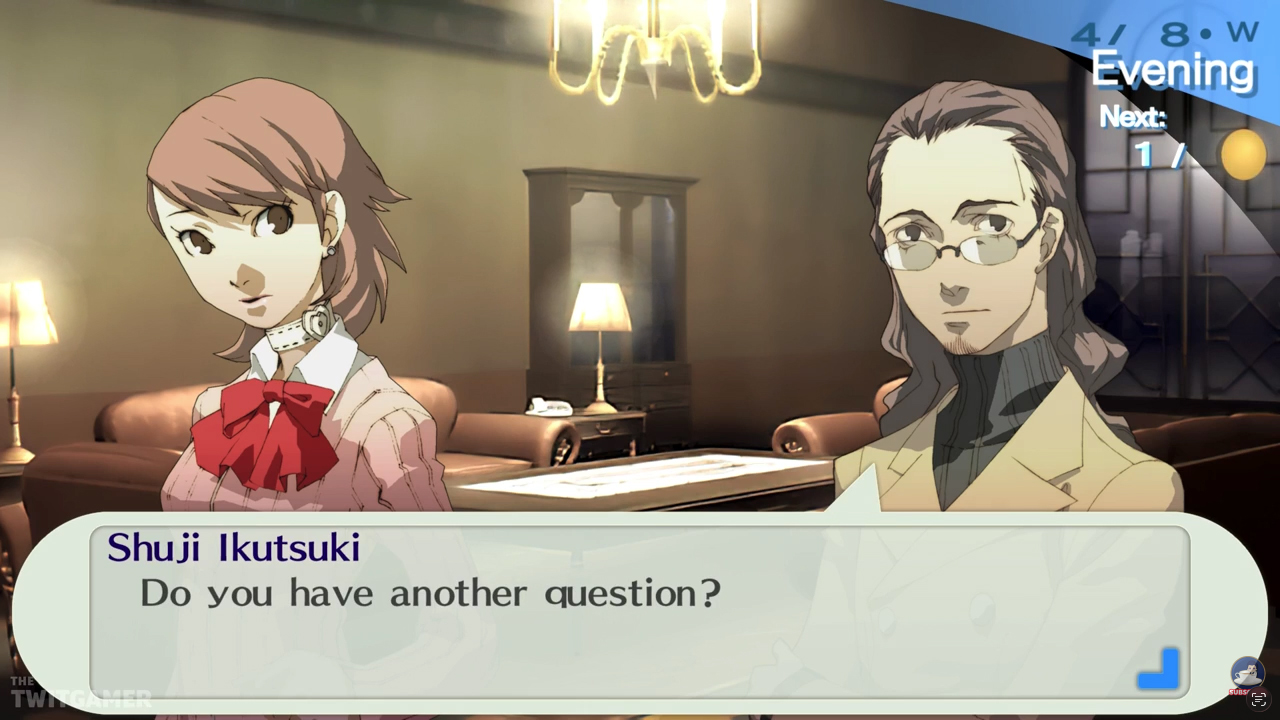
This is it. This is the game that justifies owning a PSP in 2026. Persona 3 Portable isn’t just one of the finest RPGs on the system—it’s one of the finest RPGs ever produced, period.
The genius of P3P lies in its fusion system. You’re not just collecting personas; you’re constantly experimenting, combining, and discovering new abilities. I’ve probably spent 200+ hours across multiple playthroughs, and I’m still finding new combinations. The turn-based combat feels deliberate and strategic, not outdated.
But here’s what sets the PSP version apart: the female protagonist route. This isn’t just a cosmetic change—it’s almost an entirely different game with new social links, different story perspectives, and altered relationship dynamics. You’re essentially getting two complete RPG experiences in one cartridge.
The dungeon crawling in Tartarus can feel repetitive, I won’t lie. The randomly generated floors aren’t exactly architectural masterpieces. But the social simulation elements, the incredible soundtrack, and the addictive persona fusion system more than compensate. This is easily 80+ hours of content if you complete both routes.
Final Fantasy Tactics: War of Lions — Strategy RPG Perfection Refined

War of Lions proves that some games are worth remaking properly. This updated version of the PlayStation classic features a completely retranslated script that actually makes sense, animated cutscenes that rival anything on consoles, and refined gameplay mechanics that smooth out the original’s rough edges.
The grid-based tactical combat remains unmatched. Every battle feels like a chess match where positioning, job classes, and terrain all matter. You’re not just selecting attacks—you’re managing battlefield positioning, elevation advantages, and turn order manipulation. The job system lets you customize your party in thousands of different ways.
Here’s what most people miss: the story is genuinely great political fantasy. This isn’t your typical “save the world” JRPG plot. It’s about war, betrayal, and the price of idealism. The updated translation finally does justice to the complex narrative that was butchered in the original English release.
The only real downside? Some battles can drag on, especially if you’re a completionist trying to learn every ability. But if you appreciate strategic depth and don’t mind thinking several moves ahead, this is essential.
Kingdom Hearts: Birth by Sleep — Console-Quality Adventure in Your Pocket

Birth by Sleep delivered something that seemed impossible in 2010: a full-blown console-quality Kingdom Hearts experience on a handheld. In 2026, it’s still impressive how much game they crammed onto a UMD disc.
Playing as Terra, Aqua, and Ventus across their interconnected stories gives you three complete adventures that each offer 15-20 hours of content. The real-time combat system feels responsive and fluid, with a command deck system that lets you customize your abilities and spells exactly how you want them.
The Disney worlds aren’t just nostalgic window dressing—they’re integral to each character’s story. Peter Pan’s Neverland hits different when you’re playing as Ventus compared to Terra’s experience. The game actually uses these familiar settings to explore themes of friendship, corruption, and growing up.
Don’t worry if you haven’t played other Kingdom Hearts games. Birth by Sleep works as a standalone experience, though series fans will appreciate the deeper lore connections. The gameplay is accessible enough for newcomers but deep enough to keep you experimenting with different command combinations throughout the entire adventure.
Crisis Core: Final Fantasy VII — The Prequel That Stands Alone

Crisis Core connects to the FF7 universe, but here’s the thing—you don’t need prior knowledge to appreciate what makes this special. It’s Zack Fair’s story, and it works whether you know his ultimate fate or not.
The real-time combat feels like a prototype for what Final Fantasy would become. You’re running around freely, dodging attacks, and timing your strikes, but with the strategic depth of traditional RPG progression. The Digital Mind Wave system adds just enough randomness to keep battles unpredictable without feeling unfair.
What really sells Crisis Core is its production values. The voice acting is top-tier, the cinematics rival anything on PS2, and the soundtrack is absolutely phenomenal. This feels like a major console release that happens to fit in your pocket.
The mission structure works perfectly for portable gaming. You can tackle side missions in 10-15 minute chunks or dive into main story sequences when you have more time. It’s one of those games that respects both your schedule and your intelligence.
Tactics Ogre: Let Us Cling Together — Strategic Masterpiece with Hidden Multiplayer
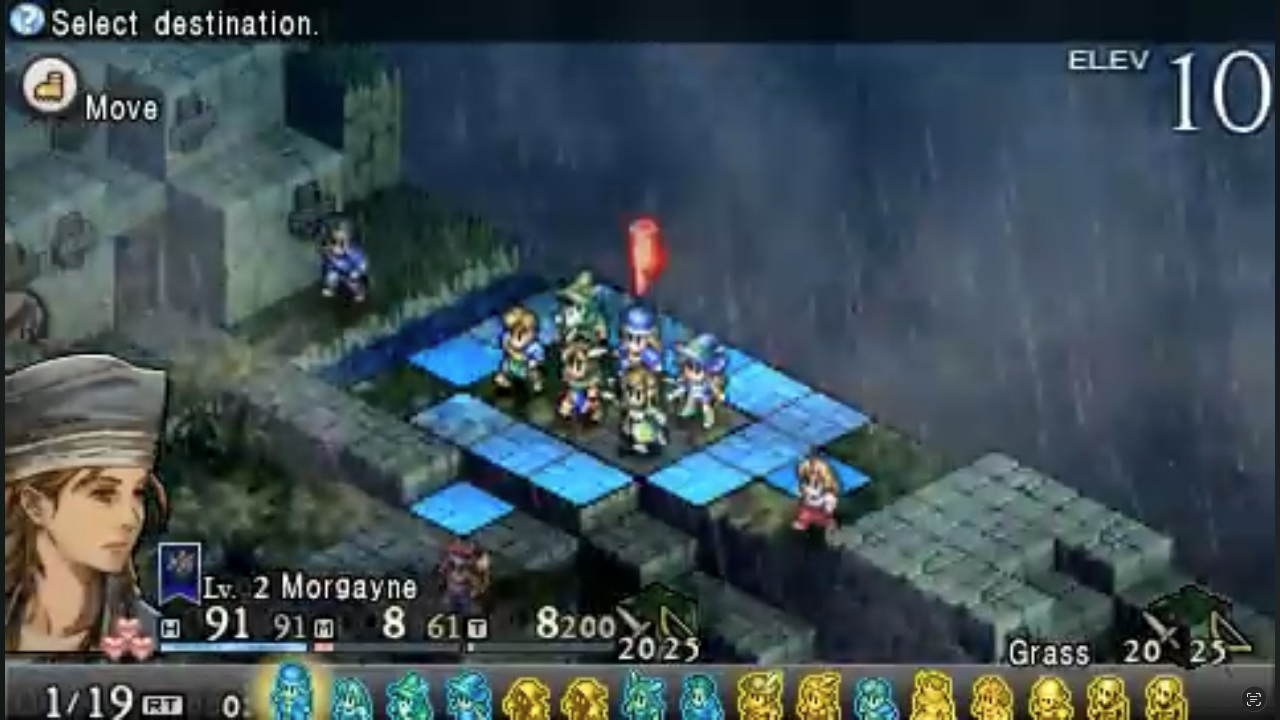
Most people know Tactics Ogre as a single-player strategy epic, but the PSP version includes something special: ad-hoc multiplayer modes that transform the experience into something completely different.
The single-player campaign is already incredible—branching storylines, morally complex decisions, and tactical combat that makes every unit placement crucial. But the multiplayer modes, including capture the flag and leader elimination battles, prove that strategic RPGs can work as competitive experiences.
Here’s collector knowledge: finding someone to play the multiplayer modes with in 2026 requires some planning, but it’s absolutely worth it. The ad-hoc connection works flawlessly, and these modes offer replay value that extends far beyond the already massive single-player campaign.
The political storytelling is mature and sophisticated. This isn’t a game about heroes saving the world—it’s about the cost of war and the complexity of moral choices. Your decisions have real consequences that affect which characters join your party and how the story unfolds.
The Legend of Heroes: Trails in the Sky — The Hidden Gem That Defined World-Building

Trails in the Sky flew under the radar because it looked like generic anime fantasy, but anyone who gave it a chance discovered something special: world-building that rivals anything in gaming.
This isn’t just environmental storytelling—every NPC has a evolving story arc. Return to the same town after story events, and you’ll find conversations have changed, relationships have developed, and side plots have progressed. It’s incredibly immersive in a way that most RPGs never attempt.
The turn-based combat emphasizes positioning and timing over raw stats. You’re moving characters around a grid, setting up combination attacks, and managing turn order to maximize your efficiency. It feels more like tactical chess than mindless menu selection.
Fair warning: this is the first part of a larger story, and it ends on a cliffhanger. But the journey is so well-crafted, with such excellent character development and world-building, that it works as a complete experience even if you never play the sequels.
Star Ocean: Second Evolution — Enhanced Remake with Massive Scope
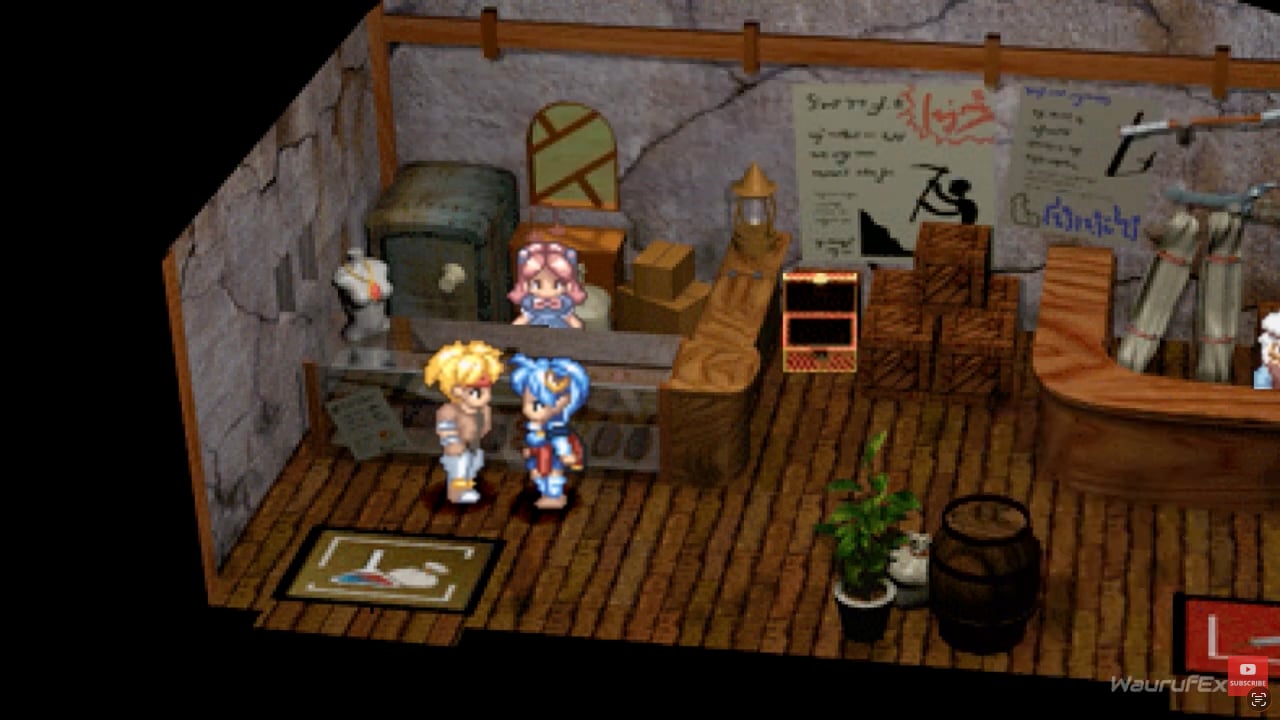
Second Evolution takes the PlayStation original and improves it in every meaningful way. Full voice acting brings the characters to life, the enhanced battle system feels more responsive, and the graphics receive a significant upgrade while maintaining the original’s charm.
The choice between Claude and Rena as your starting character isn’t just cosmetic—it affects which characters you can recruit, which story scenes you experience, and how certain plot elements unfold. This creates genuine replay value that extends the already massive 50+ hour adventure.
The real-time combat system lets you control one character while AI manages your party, but you can switch between characters instantly. Special abilities called “killer moves” can be learned, upgraded, and customized, creating deep progression systems that keep you experimenting throughout the entire journey.
The private action system adds relationship-building elements that affect both story outcomes and ending sequences. Your choices in these optional character interactions matter, creating personal investment that goes beyond just completing quests and winning battles.
Ys Seven — Accessible Action RPG Excellence
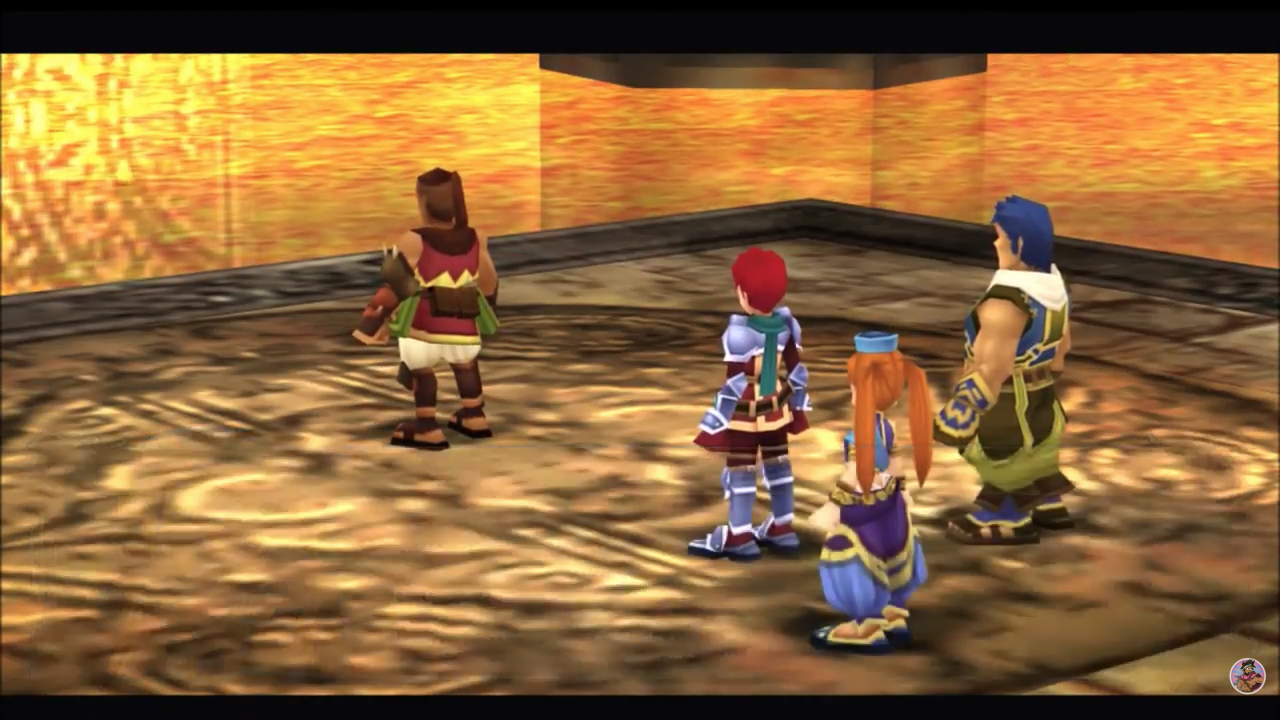
Ys Seven proves you don’t need series knowledge to jump into a long-running franchise. This is designed as a perfect entry point, with accessible mechanics and a self-contained story that welcomes newcomers.
The real-time action combat feels incredibly responsive. You’re dodging attacks, timing your strikes, and switching between three party members on the fly. Each character has different weapon types and abilities, encouraging you to experiment with different combat approaches.
Boss battles are the highlight—massive encounters that require pattern recognition, precise timing, and strategic character switching. These fights feel genuinely epic, with multiple phases and attacks that utilize the full screen real estate.
The adventure clocks in around 25-30 hours, making it more manageable than some of the other RPGs on this list. If you want quality action RPG gameplay without committing to a 50+ hour investment, Ys Seven delivers exactly what you need.
Lunar: Silver Star Harmony — Classic Remake That Retains Its Charm
Silver Star Harmony is essentially a faithful remake of the PlayStation classic, and while it’s not the most innovative RPG on the system, it offers something increasingly rare: traditional turn-based gameplay with heart.
The positioning-based combat system makes battlefield placement crucial. You’re not just selecting attacks—you’re considering range, movement, and formation. Characters need to be close enough to support each other but spread out enough to avoid area attacks.
The voice acting and animated sequences add production value that the original lacked, while the core gameplay remains unchanged. This is comfort food gaming—familiar mechanics executed well, with a charming story about becoming a hero and protecting the people you care about.
It’s not revolutionary, but sometimes you want a classic RPG experience without complications. Silver Star Harmony delivers exactly that, with enough modern enhancements to feel relevant in 2026.
Dissidia Final Fantasy — The Unique Fighting-RPG Hybrid
Dissidia shouldn’t work, but somehow it does. Taking Final Fantasy characters and dropping them into a 3D fighting game with RPG progression creates something genuinely unique that exists nowhere else.
The combat system blends real-time action with RPG customization. You’re not just learning combos—you’re equipping abilities, managing HP and Brave points, and developing strategies that combine fighting game reflexes with RPG planning.
The story mode features extensive single-player content with cutscenes, character development, and a progression system that keeps you unlocked new abilities and equipment. This isn’t just a fighting game with Final Fantasy characters slapped on—it’s a complete RPG experience with fighting game mechanics.
The fan service is incredible if you’re a Final Fantasy enthusiast, but the gameplay is solid enough to work even if you don’t recognize every reference. It’s unlike anything else on the PSP, which makes it worth experiencing regardless of your genre preferences.
Collector’s Guide — What to Look for When Buying PSP RPGs in 2026
Here’s something most people don’t know: PSP game availability varies dramatically depending on which titles you’re hunting. Crisis Core and Kingdom Hearts are relatively common, but finding a complete copy of Trails in the Sky or Tactics Ogre can be challenging and expensive.
Digital vs. Physical considerations: Many of these games were available on PlayStation Store, but with the PSP digital storefront’s uncertain future, physical UMD copies are becoming more valuable. Plus, there’s something satisfying about owning these games in their original format.
Regional differences matter: Some games, particularly Trails in the Sky and certain Final Fantasy titles, had different release schedules and bonus content depending on region. Japanese versions sometimes include extras that didn’t make it to Western releases.
Condition concerns: PSP UMD cases are notoriously fragile. Look for complete copies with intact cases, original artwork, and clean discs. Scratched UMDs can cause loading problems that make these lengthy RPGs unplayable.
Memory stick requirements: Many of these RPGs require substantial save file space. Persona 3 Portable, in particular, needs multiple save slots if you plan to play both protagonist routes. Make sure you have adequate storage for your RPG library.
The Hardware Factor — PSP Models and RPG Performance
Not all PSPs are created equal for RPG gaming, and here’s what most people miss: the model you choose affects your RPG experience significantly.
The PSP-1000 features an OLED screen with incredible color reproduction that makes these games look stunning, but battery life suffers during long RPG sessions. The PSP-2000 and 3000 models offer better battery performance and brighter LCD screens, though some purists prefer the OLED’s deeper blacks for cinematic cutscenes.
For RPG enthusiasts, I actually recommend the PSP-3000. The improved LCD screen reduces glare during extended play sessions, and the better battery life matters when you’re tackling 50+ hour adventures. The anti-reflective coating makes outdoor gaming actually viable.
Component cable support on later models also matters if you want to play these RPGs on a larger screen. Games like Final Fantasy Tactics and Persona 3 benefit from the additional screen real estate when playing at home.
Why These RPGs Still Matter in 2026
The gaming industry has largely abandoned the mid-tier RPG. Everything is either an indie throwback or a massive AAA production. The PSP’s RPG library represents something we’ve lost: ambitious, well-funded games that weren’t afraid to be complex, lengthy, and demanding of their audience.
These games respect your intelligence. They feature mature storytelling, complex mechanical systems, and don’t apologize for requiring time investment. In an era of games designed for quick dopamine hits, there’s something refreshing about RPGs that ask you to commit and reward that commitment with genuinely meaningful experiences.
The portable factor still matters. Being able to tackle a complex strategy RPG during commutes, lunch breaks, or while traveling transforms these games from major time commitments into manageable experiences that fit around your schedule.
Frequently Asked Questions
What’s the best PSP model for playing RPGs in 2026?
The PSP-3000 is your best bet for RPG gaming. The improved LCD screen reduces eye strain during long sessions, battery life is better than the 1000 model, and the anti-reflective coating makes it usable in more lighting conditions. If you can find one with the IPS screen upgrade, even better.
Are PSP RPGs still worth playing if I have a modern gaming setup?
Absolutely. Many of these games have never been properly remastered or ported to modern systems. Persona 3 Portable’s female protagonist route, Tactics Ogre’s multiplayer modes, and Crisis Core’s complete experience are still PSP exclusives. The gameplay holds up remarkably well.
How much should I expect to pay for these games in 2026?
Prices vary dramatically. Common titles like Crisis Core might run $30-50 for complete copies, while rare games like Trails in the Sky can hit $80-100+. Factor in another $100-200 for a quality PSP console depending on model and condition.
Do I need to play these games in any particular order?
Most are standalone experiences. The only exception is Trails in the Sky, which directly continues into subsequent games. You can jump into any Final Fantasy title, and Kingdom Hearts: Birth by Sleep works as a series starting point.
What about emulation vs. original hardware?
Original hardware provides the authentic experience, but emulation works well for most of these titles. The main advantage of real PSP hardware is the portability factor and the tactile experience of using the original controls during long RPG sessions.
Which of these RPGs is best for someone new to JRPGs?
Kingdom Hearts: Birth by Sleep or Crisis Core are excellent starting points. Both feature real-time combat that feels more modern than turn-based systems, manageable time commitments, and accessible storylines that don’t require genre knowledge.
Are there any of these games I should avoid?
Every game on this list has merit, but your preferences matter. If you hate strategic combat, skip Final Fantasy Tactics and Tactics Ogre. If anime-style storytelling isn’t your thing, Trails in the Sky might not click. But there’s something here for every RPG preference.
How important is finding complete-in-box copies?
For gameplay, just the UMD disc matters. For collecting value, complete copies with cases and manuals are significantly more valuable and likely to retain worth over time. The PSP cases are fragile, so finding intact complete copies is increasingly difficult.
So if you’re looking for the best PSP RPGs worth playing in 2026, these 10 games represent the cream of the crop from one of gaming’s most underrated libraries. Each offers something different, but all demonstrate why Sony’s handheld deserves recognition as one of the great RPG platforms.
What are your picks from the PSP’s RPG library? Let us know in the comments.
Where to Pick Up a PlayStation Portable in 2026
If this deep dive into PSP RPGs has you thinking about picking up Sony’s handheld, here’s the thing—finding a reliable unit that’s actually been tested isn’t as straightforward as you’d think. eBay’s a complete gamble, and you never know if you’re getting someone’s broken project or a unit that’ll die after a week.
Look, if you’re serious about diving into this RPG library, you need a PSP that’s been properly tested and maintained. Here at SumoShopStore, we’ve probably put hundreds of these through comprehensive testing over the years. Every button, every screen pixel, every UMD drive mechanism gets checked before anything ships.
What we offer:
- Fully tested and guaranteed PSP consoles
- Multiple model options (PSP-1000 and PSP-3000)
- Wide variety of colors and special editions
- Available upgrades like IPS screens and USB-C charging
- Free worldwide shipping
- Real customer support from people who actually know this hardware
Check out:
- PlayStation Portable (PSP1000) – The original with OLED screen
- PlayStation Portable (PSP3000) – Improved LCD and better battery life
- PlayStation Vita OLED – If you want to explore Vita’s RPG library too
The PSP-3000 is what I’d recommend for most RPG enthusiasts—better battery life for those long Persona 3 sessions, and the improved screen makes text easier to read during dialogue-heavy games.
Browse the full retro handheld collection at SumoShopStore.com


