
Blog
Game Boy Color Hidden Gems Still Worth Hunting in 2026 — 7 Overlooked Masterpieces

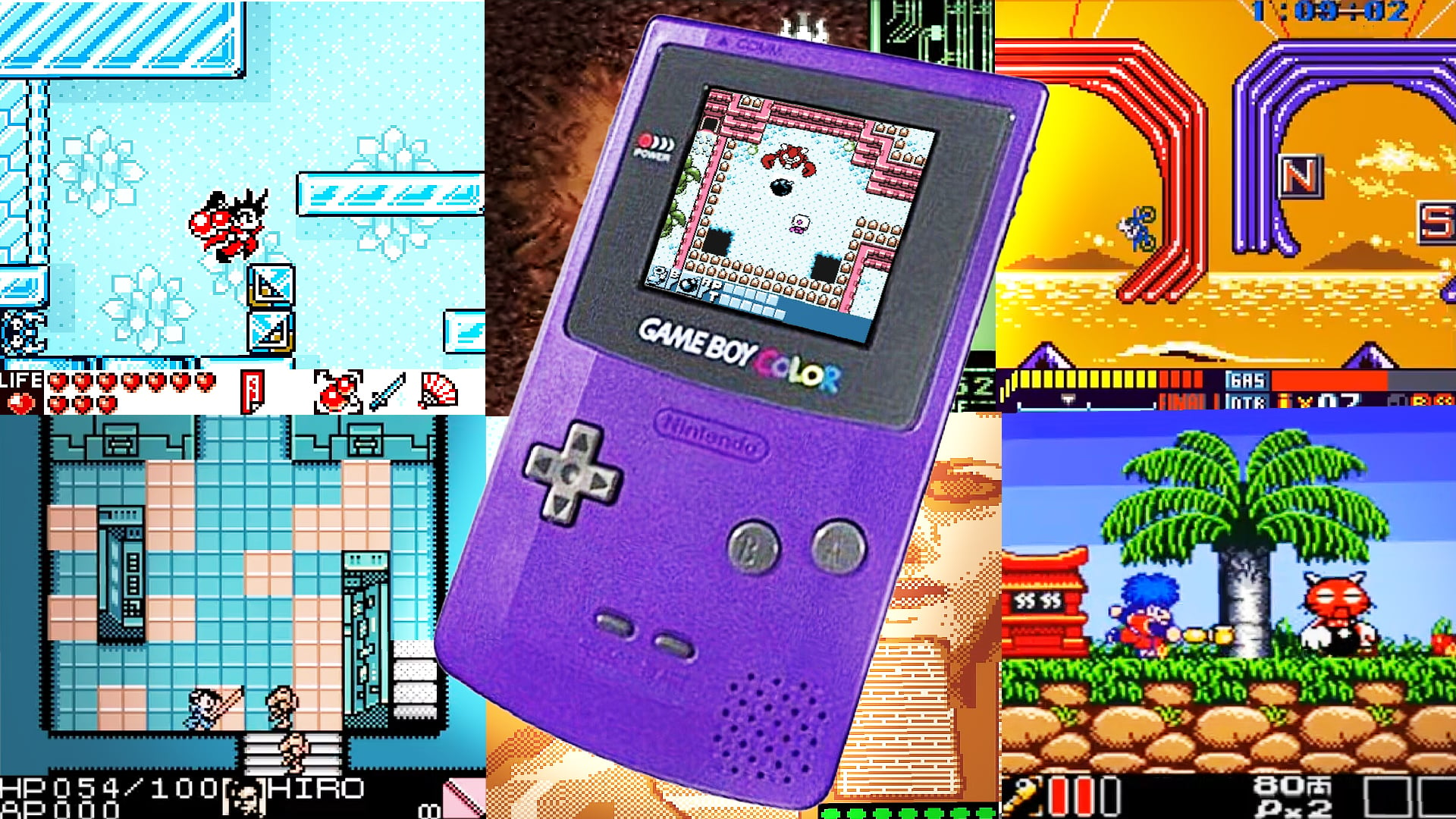
The Game Boy Color produced some of the most technically impressive handheld games ever made, yet most people only know about Pokémon and Zelda. Look, I get it—when you think GBC, you think Link’s Awakening DX or Gold/Silver. But there’s a whole treasure trove of games that pushed Nintendo’s little color handheld way beyond what anyone thought possible, and they’re still incredible today.
Hey, it’s Marco, and after years of testing Game Boy Color units here at SumoShopStore, I’ve had the chance to dig deep into this console’s library. These are the 7 best Game Boy Color hidden gems you need to play in 2026—games that prove this little handheld was way more powerful than anyone realized at the time.
Game Boy Color Hidden Gems at a Glance
- Bionic Commando (GBC) — Arguably the best entry in the entire series with perfect swing mechanics
- Project S11 — Technical showcase shooter that pushes GBC hardware to its absolute limits
- Samurai Kid — Unique weapon-based puzzle platformer that blends action and brain-teasing
- Bomberman Quest — Brilliant RPG/action hybrid with deep crafting system
- Motocross Maniacs 2 — The perfect Excitebike substitute with incredible track editor
- Ganbare Goemon — Japan-exclusive platformer showing Konami at their absolute best
- Daikatana (GBC) — The version that actually makes this franchise worth playing
Why the Game Boy Color’s Hidden Library Matters in 2026
Here’s something most people don’t know about the Game Boy Color—developers figured out how to make this thing sing in ways Nintendo never imagined. We’re talking flowing water effects, heat distortion, massive sprites, and gameplay mechanics that wouldn’t feel out of place on much more powerful hardware.
The thing is, these games got buried. Pokemon was selling millions, everyone wanted the next Zelda, and meanwhile some of the most creative teams in gaming were crafting these incredible experiences that maybe sold 50,000 copies total. Twelve years later, some of these are still the best examples of what you can do within severe hardware limitations.
I’ve tested probably hundreds of Game Boy Color units over the years, and every time I fire up games like Project S11 or Bionic Commando, I’m reminded why this console deserves way more respect. The library is deeper than people give it credit for.
Bionic Commando (GBC) — The Series Peak Nobody Talks About

Bionic Commando on Game Boy Color is easily one of the best entries in the entire franchise, and that includes the beloved NES original. Released 12 years after that arcade classic, this version was handled by a completely different studio who understood exactly what made the swing mechanics special.
You’re sent to take down an evil army leader in the land of Corinia, with your choice of two different characters across nearly 20 levels. But here’s the thing—just like the original, you can’t jump. Everything revolves around your bionic arm that works like an extending swing, letting you attach to any ceiling or platform and propel yourself forward.
The swing mechanics here are absolutely perfect. Yeah, it can be tricky to master at first—I’m not gonna lie, you’ll probably fall into a few pits while you’re learning. But once you get the rhythm down, even the hardest platforming sections become routine. And it never gets old. Simply swinging through each level has this incredible flow that keeps you engaged from start to finish.
Combat integrates beautifully with the traversal. You start with a basic machine gun, but you’ll unlock rocket launchers, shotguns, and flamethrowers that give you real tactical options against tougher enemies. The way weapon selection plays into both combat and puzzle-solving shows a level of design sophistication you rarely see on Game Boy Color.
If you enjoyed the NES original or you’re looking for a platformer that feels genuinely different from everything else on the system, this is the one. Don’t sleep on it.
Project S11 — The Technical Marvel That Redefined GBC Shooters
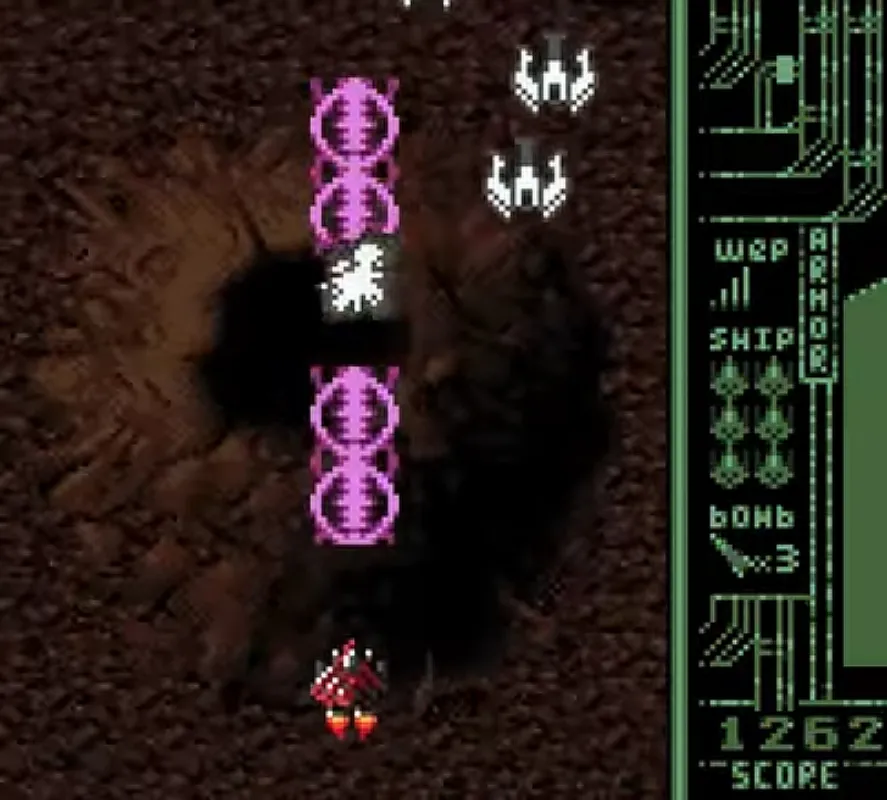
If there was one genre the Game Boy Color was lacking, it had to be shooters. Project S11 changed that overnight and proved this little handheld could handle way more than anyone thought possible.
The story’s simple—you’re piloting a top-secret ship called the S11, tasked with repelling an alien invasion across eight levels. Standard shooter stuff, right? But the execution is anything but standard. This is easily one of the most technically impressive games on the entire Game Boy Color.
What sets Project S11 apart is how developer Paragon 5 managed to create visual effects that shouldn’t exist on this hardware. We’re talking flowing water, heat-distorted volcanoes, massive boss sprites, and dozens of enemies on screen simultaneously—all without any noticeable flicker or slowdown. I’ve seen modern indie games with worse performance optimization.
You’ve got the standard shooter arsenal—missiles, lasers, spread shot, flame fountain—all upgradeable through power-ups. Your shield meter offers protection, but once it’s gone, you lose a life. Lose all four lives and it’s game over. Simple mechanics executed flawlessly.
The weapon variety keeps things interesting throughout all eight levels, but honestly, half the fun is just watching this thing push the Game Boy Color way beyond its supposed limits. When you’re flying over those heat-distorted volcanoes with water effects flowing perfectly in the background, it’s hard to believe you’re playing on the same hardware that struggled with some early color games.
Samurai Kid — The Weapon-Based Puzzle Platformer You’ve Never Heard Of
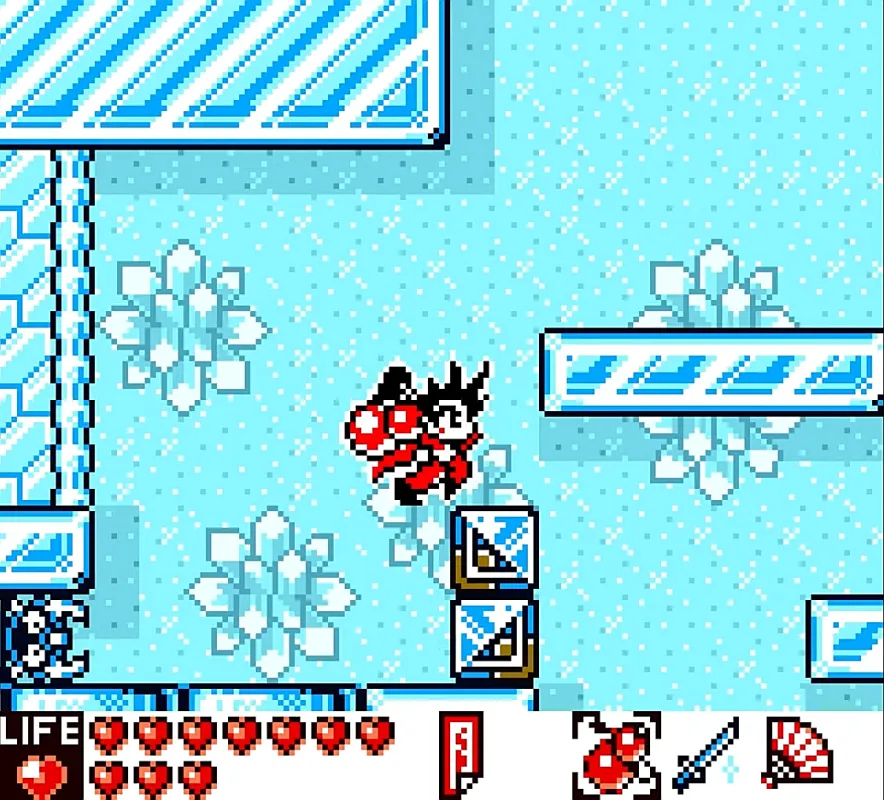
The Game Boy Color had plenty of platformers, but none quite like Samurai Kid. This perfectly blends action, platforming, and puzzle-solving into one of the most overlooked games on the entire system.
You play as a young samurai reclaiming 10 castles throughout the land, but your success depends entirely on mastering three unique weapons: katana, gourd, and fan. Each weapon has specific combat and puzzle functions that become central to progressing through every level.
Your katana delivers powerful charged attacks that destroy both enemies and environmental obstacles like rocks. The gourd can be thrown to activate switches in hard-to-reach places. The fan unleashes gusts of wind that push objects or enemies into strategic positions. This isn’t just combat variety—it’s the core puzzle mechanic.
Level design revolves around manipulating your environment using these three tools. Early stages keep it simple—maybe luring enemies onto pressure plates to open doors. But it gets complicated fast, with time switches, moving platforms, and environmental hazards that require genuine problem-solving skills.
Exploration adds another layer, with hidden power-ups throughout each castle that boost your health and armor. These aren’t just collectibles—they directly impact your score for each level, giving you real incentive to master the weapon mechanics and find creative solutions.
The challenge ramp is perfect for portable gaming. Complex enough to keep you thinking, but never so frustrating that you want to put it down. This is one of the most unique platformers on Game Boy Color, and it holds up remarkably well today.
Bomberman Quest — The RPG Hybrid That Changed Everything
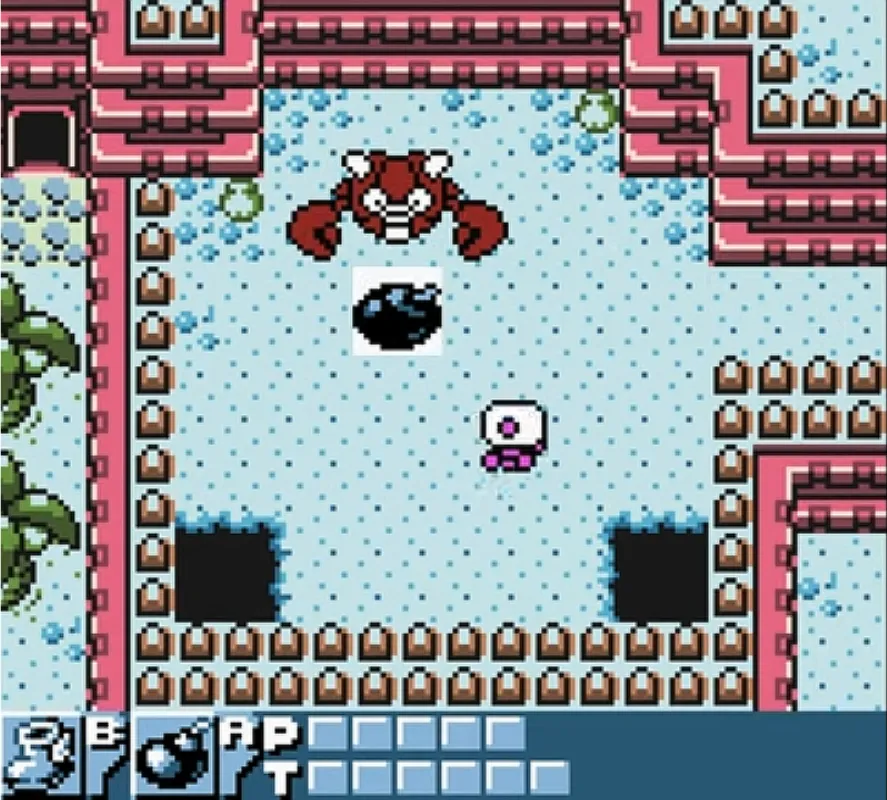
Bomberman Quest takes the classic bomb-based gameplay and merges it with Zelda-style structure and mechanics to create one of the most overlooked RPGs on the Game Boy Color. This shouldn’t work, but somehow it absolutely does.
The setup: you crash land in an unfamiliar world where monsters have escaped your ship and you need to recover four engines to escape. Four main sections, each housing an engine and boss monster, all connected through a hub town where you shop for items and craft new weapons.
But here’s what makes it special—the crafting system. You can create 15 different bomb types using materials you find throughout the world. We’re talking bombs with different blast patterns, elemental effects, and strategic applications. It’s way deeper than you’d expect from a Bomberman game.
The Zelda influence shows in the progression structure. You’ll venture out from town, make progress in a dungeon, return to restock and upgrade, then head back out with new abilities. Running shoes, shields, various armor types—all the RPG progression you’d want, but built around bomb-based combat.
What really works is how the crafting system integrates with exploration and combat. Finding new materials isn’t just collecting—it’s expanding your tactical options. Different bomb types become essential for different enemies and environmental puzzles.
This flew under the radar when it released, probably because people didn’t know what to make of “Bomberman RPG.” But it’s genuinely one of the most creative games on the system, perfect for anyone who wants classic Bomberman gameplay with actual progression and depth.
Motocross Maniacs 2 — The Perfect Excitebike Alternative
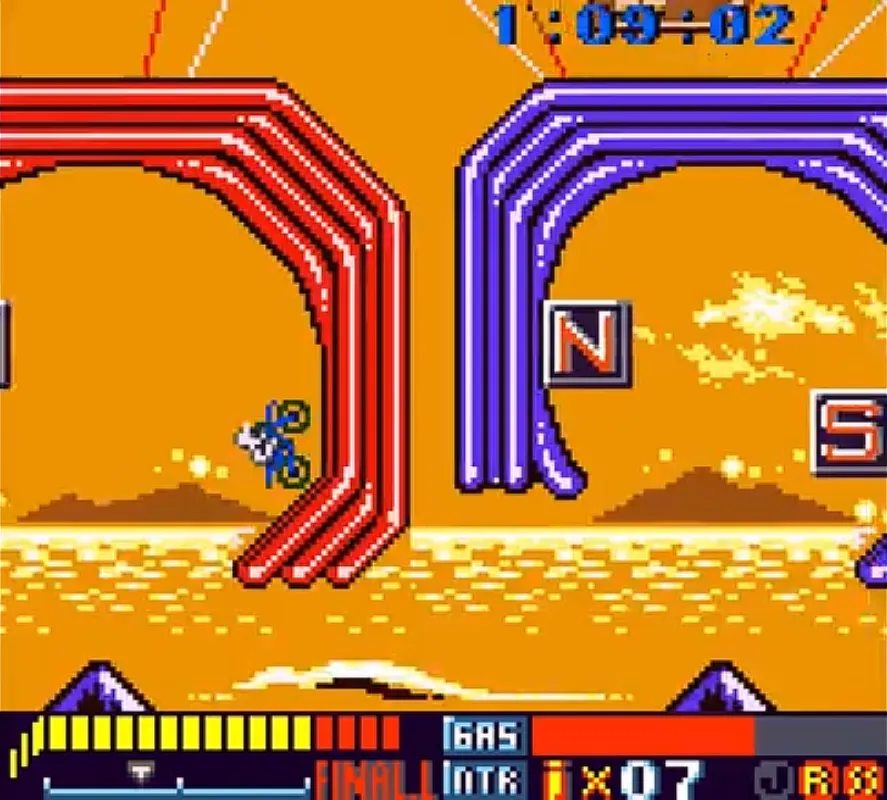
Nintendo never brought Excitebike to Game Boy Color, but Motocross Maniacs 2 fills that gap perfectly—and then some. This is everything you’d want from a portable motocross game, with features that put most modern racing games to shame.
The core gameplay nails that Excitebike feel: managing speed, landing jumps properly, avoiding crashes, and dealing with fuel management throughout each race. But developer Konami added layers that make this way more than just a clone.
The trick system adds real depth to each race. You’re not just trying to finish first—you’re pulling off stunts for points, managing your fuel consumption, and dealing with increasingly complex track layouts. It strikes this perfect balance between arcade accessibility and simulation depth.
But the real standout feature? The track editor. This thing is incredibly robust for a Game Boy Color game. You can design custom tracks with jumps, hazards, terrain changes, and obstacles, then race them yourself or challenge friends. The interface is intuitive enough that you’ll be creating custom courses within minutes.
I’ve seen people still creating and sharing Motocross Maniacs 2 tracks online in 2026. That’s the mark of a truly great editor—when people are still using it decades later because it just works so well.
The variety of official tracks keeps things interesting, but honestly, the track editor provides unlimited replay value. If you’re looking for a solid racing game for Game Boy Color, this is the one most people missed.
Ganbare Goemon — Japan’s Exclusive Konami Masterpiece
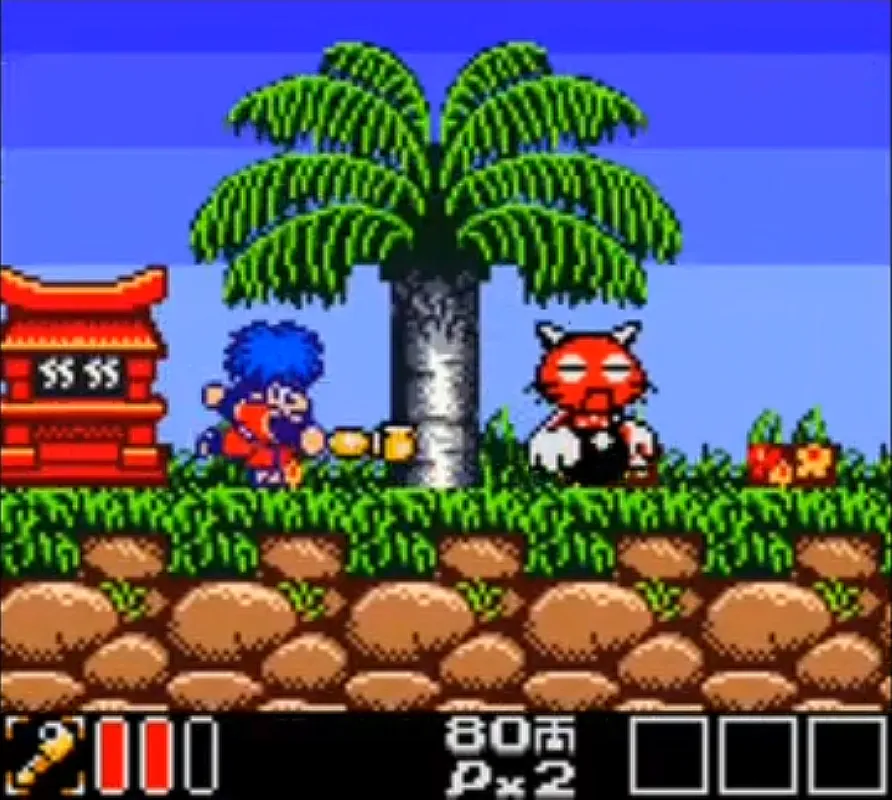
Here’s one of those Japan-exclusive titles that showcases what Konami could accomplish when they put real resources behind Game Boy Color development. Ganbare Goemon never made it to Western markets, but it’s arguably one of the best platformers on the entire system.
This is Konami pushing the Game Boy Color to its absolute limits. Crisp visuals, smooth animation, detailed backgrounds—everything about this game shows a level of polish and technical achievement that puts most Western GBC games to shame. The sprite work alone is incredible.
The gameplay features dual-character mechanics where you can switch between two different playable characters, each with unique abilities and move sets. It’s not just cosmetic—different sections require different characters, and mastering both is essential for progression.
What really stands out is the attention to detail in level design and presentation. Every screen feels carefully crafted, with environmental storytelling and visual flourishes that show genuine care and creativity. This isn’t just a decent licensed game—it’s Konami operating at their peak.
The downside? It’s Japan-exclusive, which means you’re dealing with import considerations and language barriers. But if you can navigate the menus and basic story elements, the gameplay is intuitive enough that language isn’t a major barrier.
For collectors hunting for the absolute best Game Boy Color had to offer, Ganbare Goemon represents the peak of what major Japanese developers accomplished on this hardware. It’s expensive and hard to find, but worth it if you can track down a legitimate copy.
Daikatana (GBC) — The Version That Actually Works
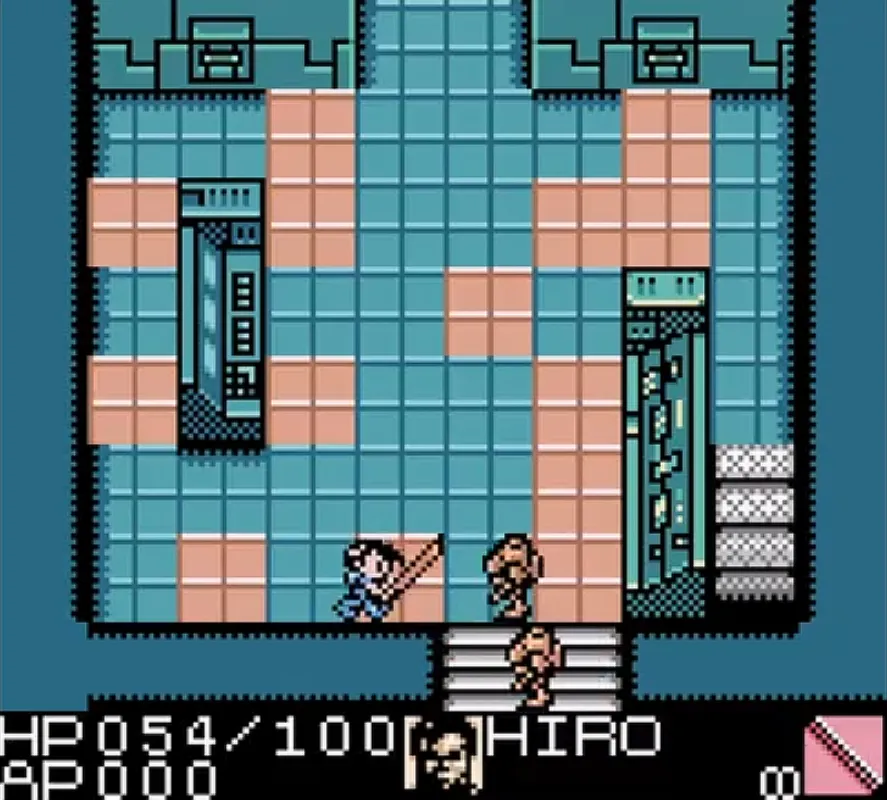
Everyone knows Daikatana on PC as one of gaming’s most infamous disasters. What most people don’t know is that the Game Boy Color version completely reimagines the concept into a genuinely excellent Zelda-style adventure across 32 levels.
This isn’t a port—it’s a complete reimagining that takes the time-travel concept and builds an entirely different game around it. Instead of the broken first-person shooter that killed John Romero’s reputation, you get a solid overhead adventure with actual coherent progression and design.
The structure works like classic Zelda: overworld exploration, dungeon-style levels, item progression, and boss battles that actually feel fair and well-designed. The time-travel elements integrate naturally into puzzles and level progression instead of feeling like a gimmick.
Credit where credit’s due—whoever handled the GBC version understood what worked about the original concept and built something completely new around those elements. The writing is still confusing and the forced character switching can be annoying, but the core gameplay loop is solid.
It’s wild that the definitive Daikatana experience exists on Game Boy Color, but here we are. This is proof that sometimes taking a completely different approach can salvage even the most notorious gaming disasters.
If you want to experience what Daikatana should have been, skip the PC version entirely and hunt down the Game Boy Color cart. It’s the version nobody talks about, but it’s the one actually worth playing.
The Collector’s Perspective: Why These Games Matter
Here’s something most people don’t realize about Game Boy Color collecting in 2026—these hidden gems often represent the best value in the entire retro gaming market. While everyone’s fighting over $200 copies of Pokemon Crystal, you can still find most of these games for reasonable prices.
But that’s changing fast. Project S11 has doubled in price over the last two years as more people discover how technically impressive it is. Bionic Commando GBC is starting to show up on “underrated gems” lists, which always drives prices up. Ganbare Goemon was already expensive due to its Japan-exclusive status.
If you’re hunting for any of these, here’s what to look for: authentic carts with clean label printing, solid shell plastic, and proper Game Boy Color cart shape. The market’s getting flooded with reproduction carts that look convincing at first glance but fall apart under close inspection.
For games like Bomberman Quest with save functionality, make sure to test the save battery before you buy. We’ve seen plenty of units come through SumoShopStore where the game boots fine but won’t hold saves past a power cycle.
These games also showcase why screen quality matters so much for Game Boy Color. The visual effects in Project S11, the detailed sprite work in Ganbare Goemon, the smooth animation in Samurai Kid—you need a quality screen to appreciate what these developers accomplished.
Where to Pick Up Game Boy Color Systems in 2026
If reading about these hidden gems has you thinking about picking up a Game Boy Color, here’s the thing—finding a reliable unit with a decent screen isn’t as straightforward as it sounds. eBay’s a complete crapshoot, and you never know if you’re getting someone’s broken project or a system that’ll die in a week.
Here at SumoShopStore, we test every single Game Boy Color before it ships. I’m not just saying that—we’ve probably put hundreds of these through their paces over the years. Every button, every screen pixel, every cartridge connection. If it doesn’t pass our testing, it doesn’t ship.
What we offer:
- Fully tested and guaranteed units
- Multiple color options including rare variants
- IPS screen upgrades for crystal-clear visuals
- USB-C charging modifications
- Free worldwide shipping
- Real customer support from people who actually know this hardware
Check out:
- Nintendo Gameboy Color – Available in Blastoise, Charizard, Gengar, and other Pokemon-themed shells
The IPS screen upgrade is honestly essential if you want to appreciate games like Project S11 and Ganbare Goemon. The visual effects and detailed sprite work that made these games special just don’t come through on original screens with their limited contrast and viewing angles.
If you’re looking for something specific, browse the full collection at SumoShopStore.com.
Frequently Asked Questions
Are Game Boy Color hidden gems worth collecting in 2026?
Absolutely. These games represent some of the most creative and technically impressive work done on Nintendo’s handheld, and most are still reasonably priced compared to the well-known titles. Games like Project S11 and Bionic Commando GBC show what developers could accomplish with severe hardware limitations.
Which Game Boy Color model is best for playing these games?
Any authentic Game Boy Color will play these games fine, but I’d recommend looking for units with IPS screen modifications. Games like Project S11 and Ganbare Goemon have visual effects and detailed sprite work that really shine on modern screens with better contrast and viewing angles.
Are reproduction cartridges of these games reliable?
Generally no. Most repro carts use cheap flash memory that can corrupt or fail without warning. For games with save functionality like Bomberman Quest, you’re risking losing hours of progress. Stick with authentic cartridges when possible, especially for games you plan to actually play through.
Why didn’t these games get more attention when they released?
Timing and marketing, mostly. Pokemon Gold/Silver dominated mindshare, Nintendo focused their marketing on first-party titles, and many of these came from smaller developers without big advertising budgets. Games like Project S11 and Samurai Kid were genuinely ahead of their time but got lost in the shuffle.
Which of these games has held up best for modern players?
Bionic Commando GBC and Project S11 feel the most modern, with tight controls and gameplay concepts that don’t feel dated. Bomberman Quest appeals to anyone who enjoys RPG progression systems. Samurai Kid requires more patience with its puzzle-heavy approach, but the weapon mechanics are still unique.
How much should I expect to pay for these games in 2026?
Prices vary wildly. Common titles like Motocross Maniacs 2 might run $30-50 for good condition carts. Rarer games like Project S11 can hit $80-120. Japan-exclusive Ganbare Goemon often sells for $150+ due to import rarity. Check recent sold listings rather than current asking prices for realistic market values.
Do these games work on Game Boy Advance systems?
Yes, all Game Boy Color games are backward compatible with Game Boy Advance and Game Boy Advance SP systems. However, you’ll lose the backlit screen advantage of the SP when playing GBC games, since they force the system into compatibility mode.
Can I play these games on modern retro handhelds?
Most modern retro handhelds with Game Boy Color emulation will run these games fine. However, some of the more technically demanding titles like Project S11 might have minor emulation quirks. For the authentic experience, nothing beats playing on actual Game Boy Color hardware.
So there you have it—7 Game Boy Color hidden gems that prove Nintendo’s little handheld was capable of way more than most people realized. These games pushed technical boundaries, introduced creative gameplay mechanics, and delivered experiences that still hold up in 2026.
The Game Boy Color’s library runs so much deeper than Pokemon and Zelda, and these overlooked masterpieces represent some of the most impressive handheld gaming achievements of their era. Whether you’re a collector hunting for undervalued gems or just someone looking to experience what you missed the first time around, these games are absolutely worth tracking down.
What are your picks for underrated Game Boy Color games? Let us know in the comments.

