Blog
7 Forgotten Game Boy Color Gems Still Worth Playing in 2026


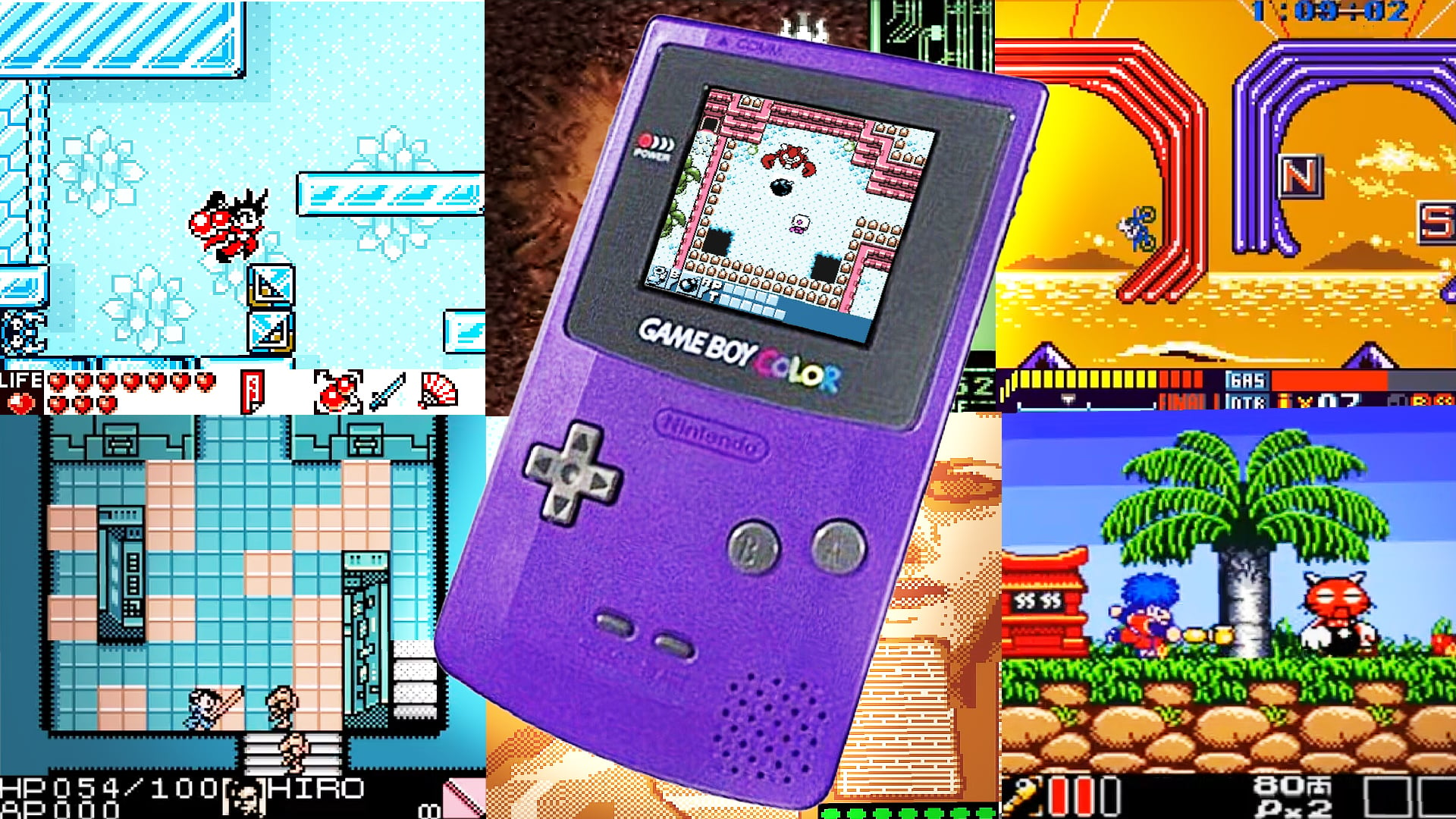
The Game Boy Color’s library runs way deeper than Pokémon and Zelda. Sure, everyone knows the hits, but there’s a whole vault of incredible games that somehow slipped through the cracks. We’re talking about genuine hidden gems that showcase what the GBC could really do when developers got creative with that color palette.
Hey, it’s Marco, and look—I’ve been through probably hundreds of Game Boy Color units over the years here at SumoShopStore. Most people come looking for the obvious classics, but every now and then someone asks about the deep cuts, the games that flew under the radar. That’s where it gets interesting.
These seven forgotten Game Boy Color games prove there’s still gold to mine in the system’s catalog, and honestly, some of them rival the biggest names on the platform.
Table of Contents
- Forgotten Game Boy Color Games at a Glance
- Why These Games Got Overlooked
- Lucky Luke — Western Platforming Done Right
- Grandia: Parallel Trippers — The RPG Experiment Nobody Talks About
- Galaga: Destination Earth — Classic Arcade Action Refined
- Armada Effects — Combat Racing With Alien Flair
- Spawn — Dark Action-Platforming With Bite
- Toki Tori — Puzzle-Platforming Excellence
- Pocket Bomberman — Classic Formula Enhanced
- Collector’s Guide: What to Look For
- Why These Games Matter in 2026
- Where to Pick Up a Game Boy Color in 2026
- Frequently Asked Questions
- Are these Game Boy Color games worth the collector prices in 2026?
- Do these games work on Game Boy Advance systems?
- Which of these forgotten games is best for newcomers to Game Boy Color?
- Are reproduction cartridges okay for playing these rare games?
- How can I tell if a Game Boy Color cartridge is authentic?
- Do these games hold up compared to modern indie titles?
- What’s the best way to experience these games if I don’t want to collect cartridges?
- Is the Game Boy Color library actually deeper than people think?
Forgotten Game Boy Color Games at a Glance
- Lucky Luke — Western-themed platformer with incredible sprite work and varied gameplay
- Grandia: Parallel Trippers — Unique card-based RPG spin-off with 30 playable characters
- Galaga: Destination Earth — Solid arcade shooter remake with risk-reward mechanics
- Armada Effects — Combat racing with alien species and strategic depth
- Spawn — Dark action-platformer with chain attacks and bike sequences
- Toki Tori — Deceptively challenging puzzle-platformer with 60 levels
- Pocket Bomberman — Classic formula enhanced with vibrant GBC visuals
Why These Games Got Overlooked
The Game Boy Color had a weird release window. It came out right when everyone was obsessing over 3D graphics and the original PlayStation was dominating conversations. Nintendo’s own marketing focused heavily on Pokémon, and third-party publishers often treated the GBC like an afterthought—a place to dump quick cash-grab tie-ins.
But here’s the thing most people don’t realize: some developers saw the GBC as a chance to experiment. They weren’t trying to compete with PlayStation’s polygon count; they were pushing 2D design to its absolute limits. The results were games that looked nothing like anything else on the market.
The problem? Most of these experimental titles got buried under Pokemon’s marketing blitz. Games like Lucky Luke and Grandia: Parallel Trippers were releasing alongside Gold and Silver—they never stood a chance in terms of shelf space or magazine coverage.
Fast forward to 2026, and these forgotten gems have become some of the most interesting discoveries for collectors who know where to look.
Lucky Luke — Western Platforming Done Right
Lucky Luke stands out as one of the most visually impressive platformers on the entire Game Boy Color library. Based on the European comic series, this isn’t just another generic licensed game—it’s a genuinely well-crafted adventure that makes excellent use of the GBC’s capabilities.

Lucky Luke
The gameplay hits that sweet spot between accessible and engaging. You’ve got standard run-and-jump mechanics, but Luke can grab ledges and ropes, adding real verticality to the level design. The shooting mechanics feel responsive, and there’s enough variety in the challenges to keep things fresh. One minute you’re dodging dynamite in a minecart sequence, the next you’re chasing down trains on horseback.
What really makes Lucky Luke special is the visual presentation. The sprite work is incredibly detailed for a GBC game, with smooth animations that bring the Wild West setting to life. The environments make brilliant use of the system’s color palette—dusty canyons, sprawling towns, and desert landscapes that genuinely look impressive on that small screen.
The mini-games deserve a mention too. The shooting gallery sequences are surprisingly addictive, breaking up the platforming with some well-designed target practice that actually feels meaningful to the overall experience.
If you’re hunting for platformers beyond the obvious choices, Lucky Luke is worth tracking down. It’s the kind of game that reminds you why 2D design peaked during this era.
Grandia: Parallel Trippers — The RPG Experiment Nobody Talks About
Here’s something most people don’t know: the Grandia series had a Game Boy Color spin-off, and it’s completely different from anything else in the franchise. Parallel Trippers takes everything you know about Grandia’s real-time combat system and throws it out the window in favor of something totally unique.


Grandia Parallel Trippers
The story follows Yui, a Japanese kid who gets transported to an alternate Grandia world along with his friends. It’s fan service for series veterans, but accessible enough for newcomers. The real hook is the combat system—a first-person, card-based approach that feels more like a strategy game than a traditional RPG.
You’re building decks, managing an IP gauge that determines turn order, and juggling nearly 30 different playable characters, each with unique abilities. It’s surprisingly deep for a handheld game, with enough strategic layers to keep you thinking several moves ahead.
The top-down exploration works well on the GBC’s screen, and the character sprites maintain that classic Grandia charm. This isn’t trying to be a mainline entry—it’s doing its own thing, and it succeeds because of that creative freedom.
For RPG fans looking for something genuinely different, Parallel Trippers offers a combat system you won’t find anywhere else. It’s one of those games that makes you wonder what other experimental RPGs we missed during this era.
Galaga: Destination Earth — Classic Arcade Action Refined
The Game Boy Color wasn’t exactly known for shooters, but Galaga: Destination Earth proves the hardware could handle the genre better than most people realized. This isn’t just a straight port of the arcade original—it’s a thoughtful update that adds new mechanics while preserving what made Galaga work.


Galaga Destination Earth
You’re playing as the last survivor of a destroyed fleet, fighting through nine levels of insect-like alien ships. The core loop is pure Galaga—dodge patterns, collect power-ups, survive waves of enemies—but the risk-reward mechanics give it extra depth. Power-ups drop mid-wave, forcing you to weave through enemy fire to collect them. It becomes this constant calculation of whether the upgrade is worth the risk.
The enemy variety keeps things interesting. Different colored ships have different attack patterns and health requirements, so you’re constantly adapting your strategy. The power-ups feel meaningful too—enhanced weapons, temporary shields, extra lives that actually impact how you approach each wave.
Where Destination Earth stumbles is longevity. Nine levels isn’t much, and there’s not a lot of variety in game modes. But if you’re looking for solid arcade action on the go, this delivers exactly what it promises. The controls are responsive, the challenge curve feels right, and it captures that “just one more wave” addiction perfectly.
Armada Effects — Combat Racing With Alien Flair
Armada Effects takes the combat racing formula and gives it a distinctly alien twist. You’re competing in an intergalactic tournament with six different alien species, each with their own racing characteristics and combat capabilities.

Armada Effects
The species selection actually matters here. One race might excel at handling while another offers superior firepower or hit points. It’s not just cosmetic—you’ll genuinely feel the difference between species, and part of the strategy is matching your choice to the track and competition ahead.
The top-down racing works well on the GBC screen, though it can feel a bit restrictive compared to other racing games. Where Armada Effects finds its groove is in the combat system. Weapons feel impactful, and the boss battles at the end of each race series add real stakes to the competition.
The single-player campaign gives you plenty of time to experiment with different alien races and find your preferred playstyle. It’s not going to revolutionize your gaming experience, but it’s a solid example of how creative developers could get with established genres on the GBC.
Spawn — Dark Action-Platforming With Bite
Spawn brings the comic’s dark aesthetic to the Game Boy Color with surprising success. This isn’t just another generic licensed platformer—it’s a genuinely engaging action game that makes the most of the source material.


Spawn
The chain attack system sets this apart from other action-platformers. Your attacks drain health, creating this constant tension between offense and survival. You can’t just button-mash your way through encounters—every attack is a calculated risk. The bike chase sequences break up the platforming nicely, adding variety without feeling tacked on.
Multiple difficulty settings give it real replay value, and the enemy placement, while sometimes unforgiving, forces you to master the combat system. The sprite work captures Spawn’s visual style well, with detailed character animations that look impressive on the GBC’s screen.
Where Spawn can frustrate is in those unforgiving enemy placements. Some sections feel cheap rather than challenging, and the health-draining combat system can make mistakes feel overly punishing. But when it works—and it works more often than not—you get this unique action-platformer that stands apart from everything else on the system.
Toki Tori — Puzzle-Platforming Excellence
Don’t let Toki Tori’s cute exterior fool you—this is one of the most challenging puzzle-platformers on the Game Boy Color. With 60 levels and Lemmings-style mechanics, it offers serious depth for players willing to engage with its systems.


Toki Tori
Each level presents you with a set of tools and a clear objective: collect all the eggs. The catch is figuring out the precise sequence of actions needed to reach them. You might have a limited number of bridges to build, blocks to create, or teleports to use. Every tool matters, and every move counts.
The difficulty curve is expertly crafted. Early levels teach you individual mechanics, but by the midpoint, you’re combining multiple tools in complex sequences. Some solutions require genuine lateral thinking—the kind of “aha!” moments that make puzzle games addictive.
The visual presentation is charming without being overly cute, and the controls are precise enough for the demanding puzzle solutions. If you’re looking for a Game Boy Color game that’ll challenge your brain rather than your reflexes, Toki Tori delivers exactly that.
Pocket Bomberman — Classic Formula Enhanced
Pocket Bomberman takes the established Bomberman formula and enhances it with the Game Boy Color’s improved visuals and capabilities. This isn’t revolutionary, but it’s a rock-solid example of how to properly update a classic for new hardware.


Pocket Bomberman
The core gameplay remains unchanged—strategic bomb placement, maze navigation, and power-up collection. What’s improved is the presentation. The GBC’s color palette brings new life to the classic Bomberman aesthetic, making environments pop in ways the original Game Boy versions never could.
The puzzle elements feel more refined here, with level designs that take advantage of the clearer visuals to create more complex scenarios. You can actually see what you’re doing, which makes the strategic elements more engaging than on earlier handheld versions.
While it doesn’t reinvent the wheel, Pocket Bomberman represents the series at its most polished on Nintendo’s handhelds of that era. For fans of the franchise or puzzle games in general, it’s a worthy addition to any GBC collection.
Collector’s Guide: What to Look For


If you’re hunting for these games in 2026, here’s what you need to know. Most of these titles had limited print runs, especially Grandia: Parallel Trippers, which saw very limited Western release. Expect to pay premium prices for authentic copies.
Screen quality matters more than you might think. These games showcase some impressive sprite work and color design that really benefits from a quality display. The original GBC screen is fine, but an IPS upgrade makes a massive difference in appreciating the visual design that makes these games special.
Region differences can be significant. Lucky Luke, for instance, had different releases in Europe and North America with minor content variations. Grandia: Parallel Trippers is easier to find as a Japanese import, but English versions command serious collector premiums.
Watch out for reproduction cartridges, especially with the rarer titles. The market for GBC reproductions has exploded, and while some are high quality, you want to know what you’re buying. Authentic cartridges have specific weight, label quality, and board characteristics that repros often miss.
Here’s something most people don’t consider: the Game Boy Advance SP with its front-lit screen actually makes these games look worse than a quality GBC setup. The color reproduction isn’t quite right, and some of the more subtle visual effects get lost. If you’re serious about experiencing these games as intended, stick with actual GBC hardware.
Why These Games Matter in 2026
These forgotten gems represent something important about the Game Boy Color era: creative ambition within technical constraints. Developers weren’t trying to chase the latest trends or compete with PlayStation’s polygon count. They were focused on making the best possible games within the GBC’s limitations.
That focus shows in the final products. Lucky Luke’s sprite animation, Grandia’s experimental combat system, Toki Tori’s precise puzzle design—these games succeed because they understood their platform’s strengths. They’re not trying to be something they’re not.
In 2026’s gaming landscape, where photorealism and massive budgets dominate, there’s something refreshing about games that achieved greatness through pure design creativity. These titles remind you that technical limitations often spark the most innovative solutions.
The Game Boy Color’s library is deeper than most people realize, and these seven games prove there are still discoveries to be made. They showcase a handheld console at its creative peak, pushed by developers who understood that great games come from great ideas, not just great hardware.
Where to Pick Up a Game Boy Color in 2026


If this deep dive into forgotten gems has you thinking about picking up a Game Boy Color, here’s the reality: finding a reliable unit isn’t as straightforward as it sounds. eBay’s a complete lottery—you never know if you’re getting someone’s broken project or a properly maintained system. And don’t get me started on the prices.
Here at SumoShopStore, we test every single Game Boy Color before it ships. I’m not just saying that for marketing—we’ve probably put hundreds of these through comprehensive testing over the years. Every button, every screen pixel, every cartridge connection. If it doesn’t pass our standards, it doesn’t go out the door.
What we offer:
- Fully tested and guaranteed units in multiple color options
- Optional IPS screen upgrades for enhanced visual quality
- USB-C charging modifications for modern convenience
- Authentic game cartridges, not reproductions
- Free worldwide shipping with proper packaging
- Real customer support from people who actually know this hardware
Check out our Game Boy Color selection:
- Nintendo Gameboy Color – Available in Blastoise, Charizard, Gengar, and other classic colors
The IPS screen upgrade is worth considering if you’re planning to dive deep into the library. These forgotten gems really benefit from the improved color reproduction and contrast. It’s not just about nostalgia—it’s about experiencing these games the way they were meant to be seen.
For the complete retro handheld collection, browse everything at SumoShopStore.com.
Frequently Asked Questions
Are these Game Boy Color games worth the collector prices in 2026?
It depends on the game and your interest level. Lucky Luke and Pocket Bomberman can often be found at reasonable prices. Grandia: Parallel Trippers commands premium pricing due to its limited release, but it’s genuinely unique enough to justify the cost for RPG collectors. Don’t pay collector prices unless you’re actually planning to play them—these aren’t just display pieces.
Do these games work on Game Boy Advance systems?
Yes, they’re fully compatible with GBA and GBA SP systems through backward compatibility. However, the color reproduction isn’t quite the same on GBA hardware. The original GBC or a GBC with IPS upgrade will give you the most accurate visual experience for these games.
Which of these forgotten games is best for newcomers to Game Boy Color?
Lucky Luke is probably your best entry point. It’s accessible, showcases the system’s visual capabilities well, and represents classic handheld platforming at its best. Toki Tori is also excellent if you prefer puzzle games over action-platformers.
Are reproduction cartridges okay for playing these rare games?
For pure gameplay experience, quality reproductions can be fine—you’re getting the same ROM data. However, make sure sellers are transparent about what you’re buying. Some reproduction carts have save battery issues or compatibility problems. If you’re building a collection, know the difference between authentic and repro pricing.
How can I tell if a Game Boy Color cartridge is authentic?
Authentic GBC carts have specific weight, plastic quality, and label characteristics. The Nintendo logo should be crisp, the plastic should feel solid (not hollow), and the label should be perfectly aligned. When in doubt, check the internal board—authentic Nintendo boards have specific chip arrangements and manufacturing marks that reproductions rarely get exactly right.
Do these games hold up compared to modern indie titles?
Absolutely. Games like Toki Tori and Grandia: Parallel Trippers offer gameplay depth that rivals contemporary puzzle and strategy games. The constraints of GBC development often led to tighter design than you see in some modern titles. Obviously the graphics are retro, but the core gameplay loop in most of these is genuinely timeless.
What’s the best way to experience these games if I don’t want to collect cartridges?
While we always recommend authentic hardware and games, flash carts like the EverDrive GB X7 let you experience these titles on original GBC hardware without hunting down individual cartridges. Just make sure you own legitimate copies of the games you’re playing.
Is the Game Boy Color library actually deeper than people think?
Definitely. The mainstream focus on Pokémon and first-party Nintendo titles overshadowed a lot of creative third-party work. These seven games are just the beginning—there are probably another dozen hidden gems worth exploring if you dig into the complete library. The GBC era was peak handheld gaming in terms of creative diversity.
These seven forgotten Game Boy Color games prove that the system’s library runs much deeper than the obvious classics. From Lucky Luke’s impressive platforming to Grandia’s experimental RPG mechanics, there’s genuine gold in the GBC’s overlooked catalog. So if you’re wondering what forgotten Game Boy Color games are still worth playing in 2026, this collection represents some of the best hidden gems the system has to offer.
What are your picks for underrated Game Boy Color games? Let us know in the comments.