Blog
How To Set Up Parental Controls On The Nintendo DS Lite

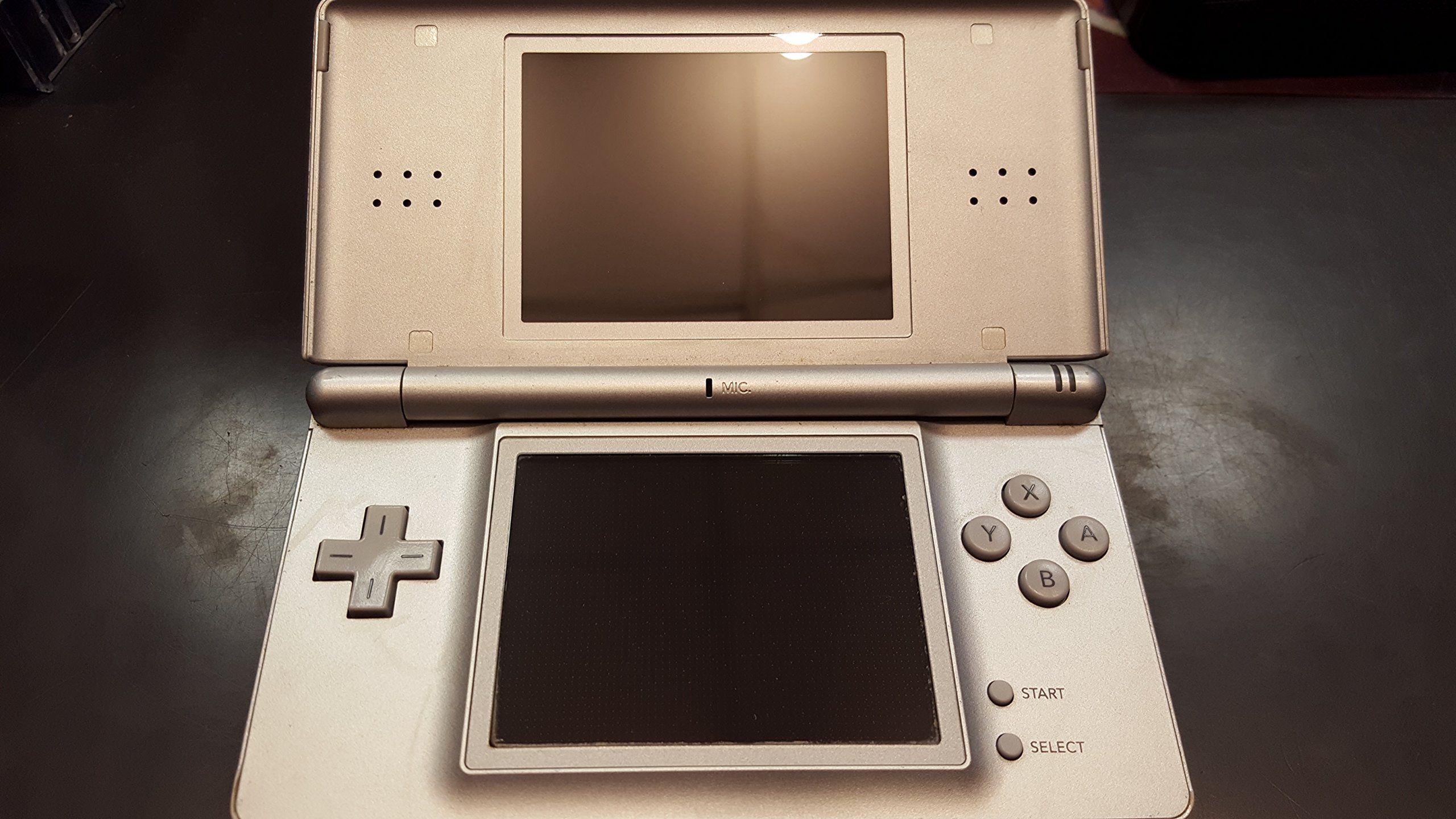
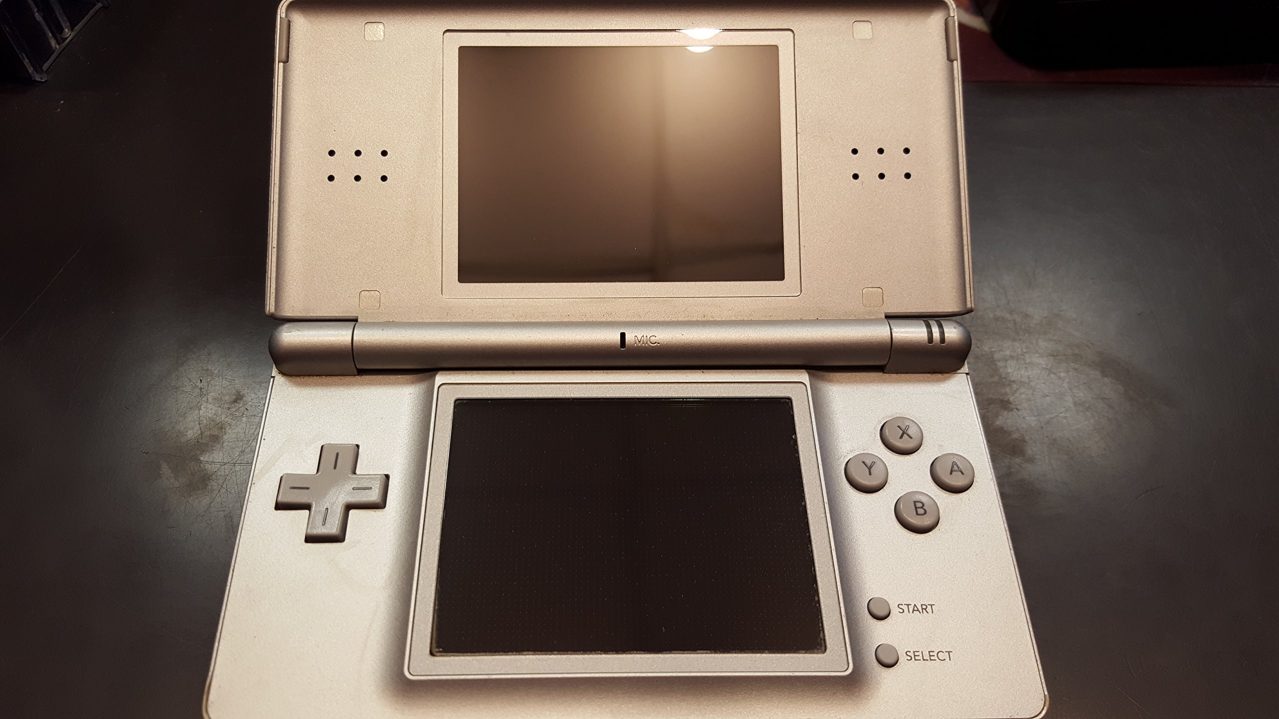
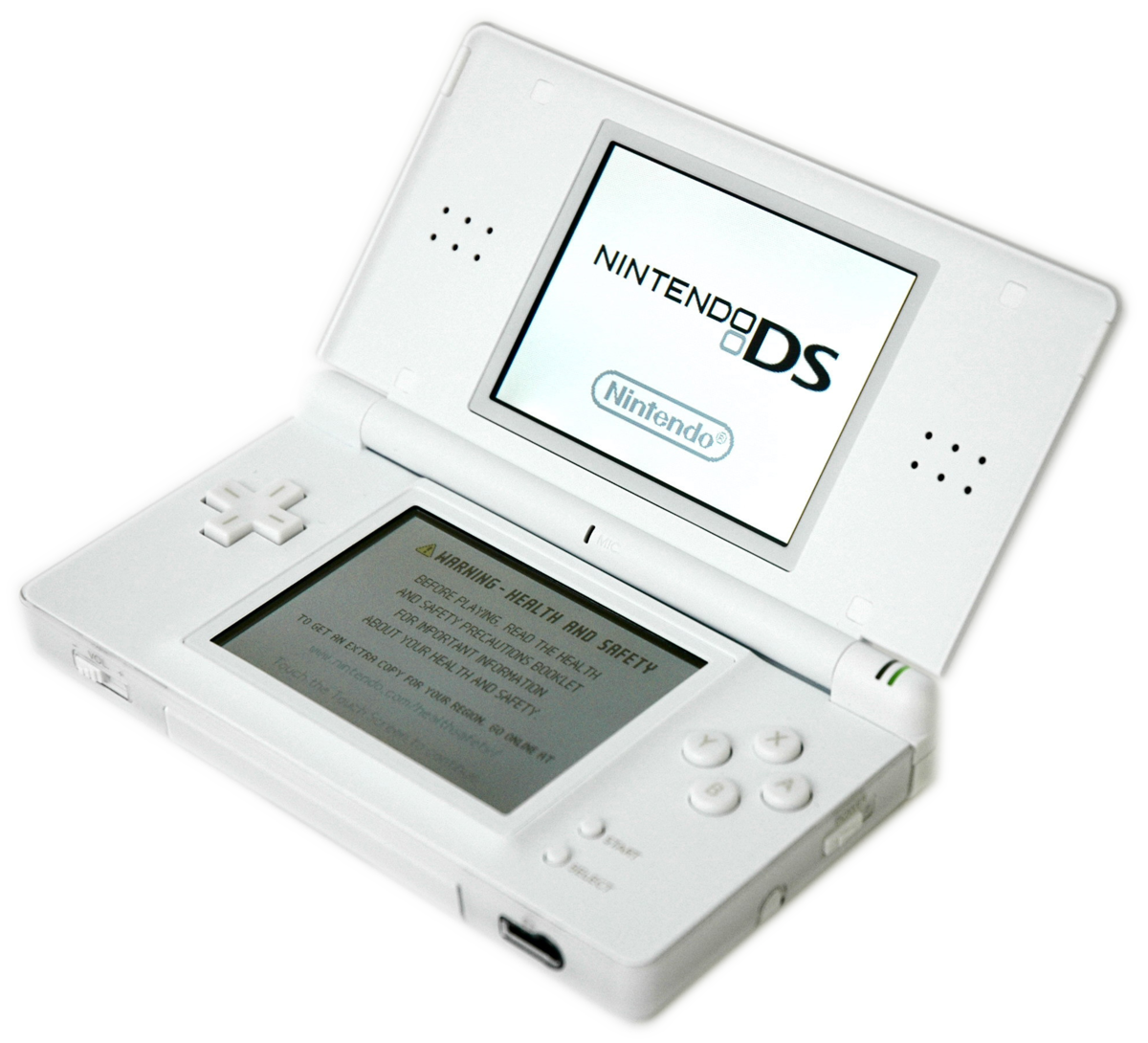
The Nintendo DS Lite is a beloved handheld gaming console known for its wide variety of games that appeal to players of all ages. However, as with any gaming device, it’s important for parents to ensure that their children are engaging with content that is appropriate for their age and maturity level. This is where parental controls come into play. Setting up parental controls on the Nintendo DS Lite is a straightforward process that gives parents the peace of mind they need while allowing their children to enjoy their gaming experience safely. In this article, we’ll guide you through the steps to set up parental controls on the Nintendo DS Lite and offer tips to make the most out of these features.
Also Read- How To Set Up Parental Controls On The Nintendo DS Lite
Why Set Up Parental Controls on the Nintendo DS Lite?

Before diving into the setup process, it’s important to understand why parental controls are necessary on the Nintendo DS Lite:
1. Age-Appropriate Content
The Nintendo DS Lite has a vast library of games, some of which may contain content that is not suitable for younger players. Parental controls allow you to restrict access to games that have higher age ratings, ensuring your child only plays games that are appropriate for them.
2. Screen Time Management
While gaming can be a fun and educational activity, it’s important to balance screen time with other activities. Parental controls can help you manage how much time your child spends playing on their DS Lite, preventing excessive gaming and encouraging a healthy lifestyle.
3. Online Safety
Some Nintendo DS Lite games offer online features, such as multiplayer modes or downloadable content. Parental controls can help you manage or restrict your child’s access to online content, protecting them from potentially harmful interactions or unsuitable content.
Also Read- 7 Top Puzzle Games For Nintendo DS Lite To Keep Your Mind Sharp
Setting Up Parental Controls on the Nintendo DS Lite
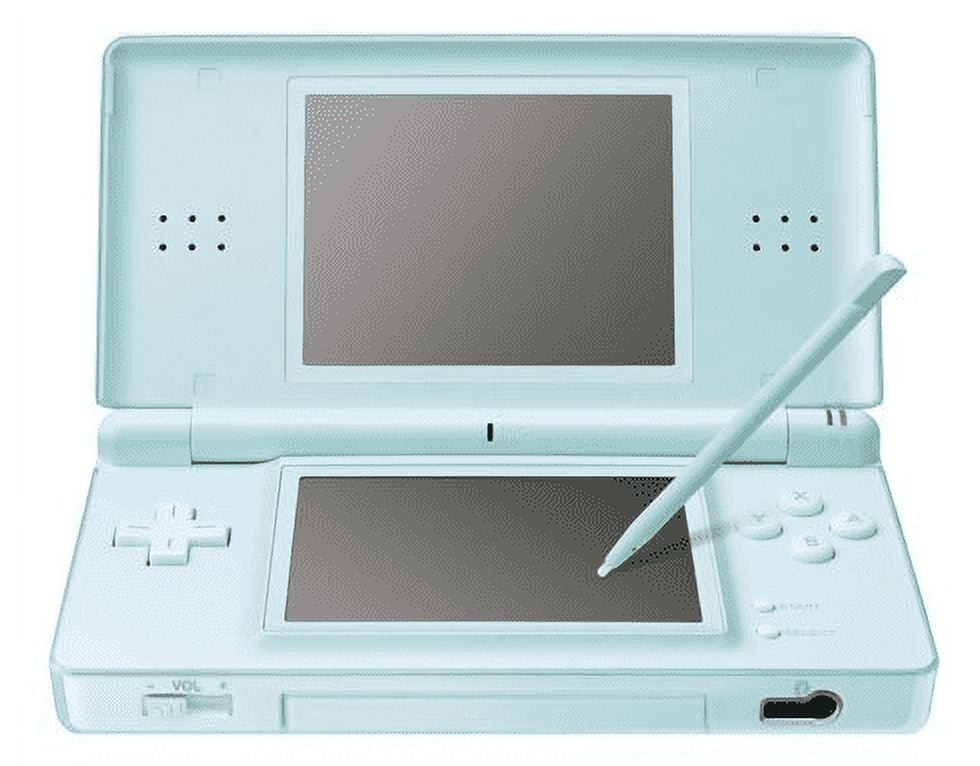
Unfortunately, the Nintendo DS Lite does not have built-in parental controls like more modern gaming consoles. However, there are still several effective ways parents can manage and monitor their child’s gaming habits on this device. Let’s explore these methods:
1. Using the ESRB Rating System to Choose Games
One of the easiest ways to ensure your child is playing age-appropriate games is by paying attention to the ESRB (Entertainment Software Rating Board) ratings. The ESRB rates games based on their content, assigning them categories such as “E for Everyone,” “T for Teen,” or “M for Mature.”
How to Use ESRB Ratings:
- Check the Game’s Rating: Before purchasing or allowing your child to play a game, check its ESRB rating. The rating is usually displayed on the front of the game case.
- Understand the Rating Descriptions: Familiarize yourself with the different ESRB ratings and their descriptions. For example, “E for Everyone” means the game is suitable for all ages, while “T for Teen” is recommended for players aged 13 and older.
- Make Informed Decisions: Use the ESRB rating as a guide to decide whether a game is appropriate for your child.
2. Limiting Screen Time
While the DS Lite doesn’t have built-in timers, parents can still set limits on how much time their child spends playing games.
Tips for Managing Screen Time:
- Set a Daily Limit: Decide on a reasonable amount of time your child can play each day. For example, you might allow 30 minutes of gaming on school nights and an hour on weekends.
- Use a Timer: Set a timer when your child starts playing. Once the timer goes off, it’s time to take a break or switch to another activity.
- Create a Schedule: Establish a daily or weekly schedule that includes designated gaming times. This helps your child balance gaming with other important activities like homework, outdoor play, and family time.
3. Monitoring Game Content
Since the Nintendo DS Lite doesn’t offer direct parental controls, monitoring the content your child accesses is crucial.
Steps to Monitor Game Content:
- Review Games Beforehand: Before giving your child a new game, play it yourself or read reviews to ensure the content is appropriate.
- Discuss Game Content: Talk to your child about the games they play. Ask them what they enjoy about the games and whether they’ve encountered anything that makes them uncomfortable.
- Check Progress Regularly: Occasionally check the progress of the games your child is playing. This can help you understand the content they’re engaging with and ensure it aligns with your family’s values.
4. Using Online Safety Tips
While the Nintendo DS Lite has limited online functionality compared to newer consoles, some games do offer online play or downloadable content. Here’s how to manage online interactions:
Tips for Online Safety:
- Disable Wireless Communication: You can disable the DS Lite’s wireless communication feature to prevent your child from accessing online multiplayer modes or downloading content. Simply go to the device’s settings and turn off the wireless communication option.
- Supervise Online Play: If your child is playing a game that offers online multiplayer, supervise their play to ensure they are interacting safely.
- Educate About Online Safety: Teach your child about the importance of online safety, including not sharing personal information and being cautious when interacting with strangers.
5. Physical Control Measures
For parents looking to take an extra step in managing their child’s gaming, physical control measures can be very effective.
Physical Control Methods:
- Store the DS Lite Safely: Keep the DS Lite in a common area of the house where you can monitor its use. Avoid allowing your child to keep the device in their room.
- Control Game Access: Store games in a place where only you have access to them. This allows you to decide which games your child can play and when.
Also Read- How To Play Classic Game Boy Advance Games On Your Nintendo DS Lite
Additional Tips for Parents

1. Set a Good Example
Children often emulate the behavior of their parents. If you model healthy gaming habits—such as taking breaks, playing age-appropriate games, and balancing screen time with other activities—your child is more likely to follow suit.
2. Involve the Whole Family
Make gaming a family activity by playing games together. This not only allows you to monitor what your child is playing but also provides an opportunity for bonding and teaching valuable lessons through gameplay.
3. Stay Informed
The gaming landscape is constantly evolving. Stay informed about the latest games and trends by reading reviews, following gaming news, and talking to other parents. This will help you make informed decisions about what’s best for your child.
Also Read- How To Fix A Broken Screen On Your Nintendo DS Lite
Conclusion
While the Nintendo DS Lite doesn’t have built-in parental controls, parents can still effectively manage and monitor their child’s gaming habits through a combination of ESRB ratings, screen time limits, content monitoring, and physical control measures. By taking these steps, you can ensure that your child enjoys a safe and age-appropriate gaming experience on their DS Lite. Remember, open communication and involvement in your child’s gaming activities are key to fostering a healthy and balanced approach to video games.